

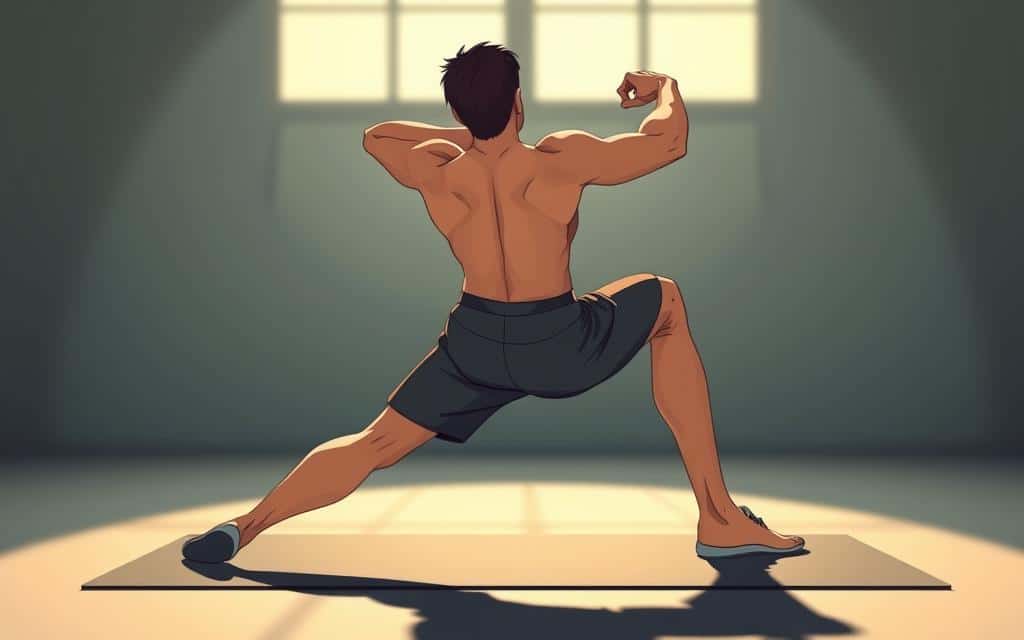
You feel that dull ache after a long day at the desk, and you want a clear way to fix it. This core workout for lower back support trains the deep stabilizers and bigger movers together so your spine and pelvis stay steady when you lift, twist, or sit.
Nearly 80% of adults will see low back pain at some point, but targeted training changes that. We focus on simple daily prep, a short circuit that teaches your body to resist unwanted movement, and cues that help you feel recruited muscles, not sore joints.
Expect slow, controlled reps, chair and wall options, and breathing cues that keep tension useful instead of painful. The plan is practical: short sessions, clear positions, and movements you can use right away to lift, stand, and sit with more confidence.
Key Takeaways
- Train deep stabilizers and big movers together to stabilize the spine and pelvis.
- Daily prep and a focused circuit reduce symptoms when done consistently.
- Simple variations let you start today—even with a busy schedule.
- Form cues and breathing keep effort in muscles, not joints.
- Progress measures are functional: less stiffness and better posture.
Start smart: what to know before training your core for back pain relief
If your spine nags after sitting, start with rules that keep pain down and speed progress. Check with a clinician if symptoms are severe, sharp, or shoot down a leg. Otherwise, gentle strength and mobility usually help.
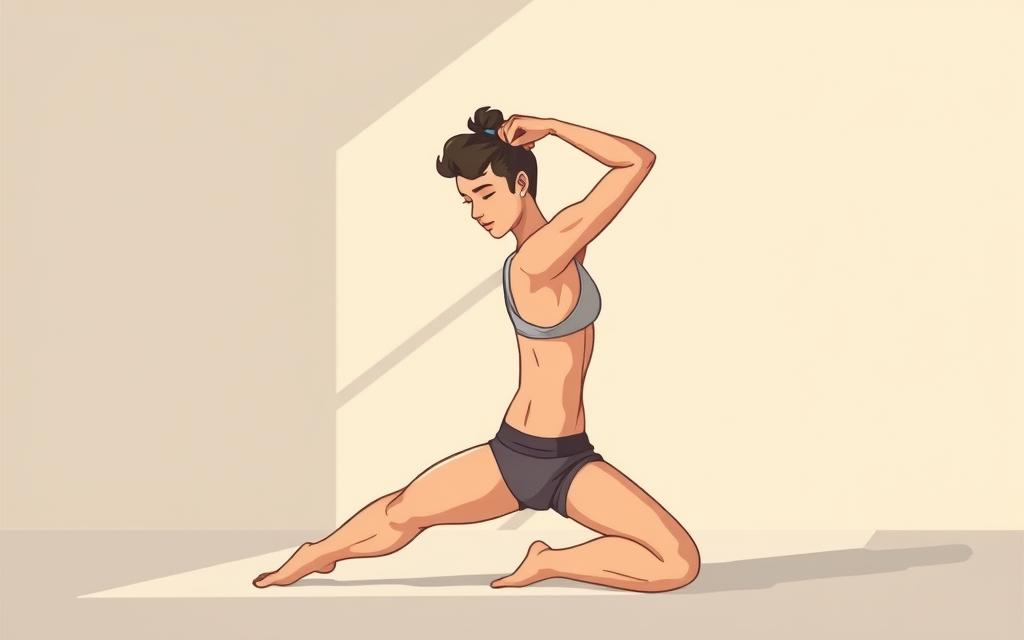
Find control, not intensity. Pick a starting position you own — floor, chair, or wall — and practice smooth, slow reps. Think “belt-tightening”: lightly engage the transverse abdominis and breathe, so ribs stack over the pelvis and the hips don’t tip.
- Use a 3/10 discomfort rule: stop if pain spikes or form breaks.
- Train small stabilizers and bigger muscles — multifidus, obliques, and glutes — to steady the lumbar area.
- Keep back neutral, focus on a front point, and exhale to engage core like zipping snug jeans.
| When to Modify | Easy Option | Goal |
|---|---|---|
| Arching or sharp pain | Seated/short range | Maintain neutral spine |
| Fatigue before form | Fewer reps, more rest | Control over reps |
| Progressing safely | Standing or added load | Improve functional movement |
Daily warm-up to prepare your spine and engage your deep core
Before you start the main set, run a brief, breath-led warm-up that wakes the glutes and trains the muscles that steady your spine. Keep the range small and focus on feeling the stomach and hips work together.
Pelvic tilt: set your spine and engage the transverse abdominis
Lie on a mat on a flat floor with knees bent and feet hip-width. Arms by your sides, take a deep breath in, then exhale and tilt the pelvis to press the low back into the ground.
Draw the stomach in gently and perform 8–10 smooth reps. Keep your neck relaxed and stop if any sharp back pain appears.
Cat-cow (seated option included)
Seated cat-cow: sit on a firm chair with feet flat and knees bent at 90 degrees, hands on your thighs. Exhale to round and pull the belly in, then inhale to lift the chest; repeat 8–10 times.
On the floor: if comfortable, start on hands and knees with shoulders over wrists and hips over knees. Move through 6–8 breath-led cycles, keeping each movement slow and controlled.
Bridge roll-down: wake the glutes while protecting the low back
Lie with feet under knees and arms at your sides. Press through the heels, squeeze the glutes, and peel the spine up one segment at a time.
Hold a deep breath at the top for a second, then lower slowly for 8–10 reps. Keep ribs down so the low back stays calm against the mat.
Trunk rotations and side bends: gentle range to reduce stiffness
Standing, cross your arms and keep hips square. Rotate left and right within comfort for 8–10 reps per side; keep the knees soft and the movement easy.
For side bends, slide one hand toward the knee while the other arm relaxes. Use a chair for balance if standing feels unstable.
- Small ranges first: if your back feels tight, shorten the motion and breathe smooth for about 30–60 seconds per drill.
- Finish: stand tall and notice how your back and hips feel—warmer, looser, and ready for the main exercises.
Core workout for lower back support: step-by-step exercises
Follow these clear, step-by-step moves to train the small stabilizers and bigger muscles that keep your spine steady. Use slow reps and exhale on effort. Stop if any sharp pain appears.
Bird dog
Starting position: hands under shoulders, knees under hips. Brace and extend opposite arm and leg to a straight line with the torso. Pause 2–3 seconds and switch. Aim for 8–10 alternating reps.
Dead bug
Lie on the floor with arms up and hips/knees at 90°. Exhale to flatten the low back to the ground, then slowly extend one arm and the opposite leg close to the floor. Alternate up to 20 reps. Keep ribs down.
Glute bridge (hip thrust)
Feet flat, drive through heels and lift hips towards the ceiling. Squeeze glutes, keep ribs tucked, and hold 3–5 seconds. Do 8–12 controlled reps. Lower with intent to protect the low back.
Front plank & Side plank
Front plank: choose forearms or hands, stack shoulders, squeeze quads and glutes. Hold 20–30 seconds and repeat 2–4 rounds.
Side plank: elbow under shoulder, feet stacked. Hold 15–30 seconds per side and repeat 2–3 rounds. Drop to knees if alignment breaks.
Superman & Good mornings
Superman: lie prone and lift chest and legs off the ground without craning the neck. Perform 8–10 reps with a controlled descent.
Good mornings: hinge at the hips with a neutral spine, seated or standing. Use a small range initially and do 8–12 reps to train the hip hinge safely.
- Key cue: exhale on effort to keep your trunk engaged while arms and legs move.
- Common mistake: letting the low back arch—shorten the range or slow the tempo to fix this.
- Regression: reduce hold time, use a shorter plank, or perform seated hinge variations.
| Exercise | Sets / Reps | Key Cue | Regression |
|---|---|---|---|
| Bird dog | 1–2 sets, 8–10 alt reps | Square hips, pause 2–3 seconds | Limit reach or perform from knees |
| Dead bug | 1–2 sets, up to 20 reps | Low back pressed to floor, slow tempo | Shorten leg travel or bend knees more |
| Glute bridge | 2 sets, 8–12 reps | Drive heels, squeeze glutes, hold 3–5 sec | Partial lift, or single-leg with support |
| Planks & Extensions | Plank 20–30s, Side 15–30s, Superman 8–10 | Neutral spine, breathe through holds | Shorter holds, knees down, smaller lifts |
Progress your plan: weekly structure and time targets
A simple monthly plan makes it easy to track time, add holds, and avoid sudden jumps that irritate your spine. Start with a daily warm-up that targets small stabilizers, then layer in brief strength sessions that fit your schedule.
Beginner track
Week 1–2: Do the warm-up daily on the floor or at a chair. Add two strength days (eg, Mon/Thu) with 1–2 sets of the main circuit. Aim for 10–15 minutes max so you can hit it even on busy days.
Week 3–4: Add a third strength day and extend holds by 5–10 seconds while keeping form solid. If back pain increases, keep volume steady another week before progressing.
Intermediate track
Pair the warm-up with two to three core blocks per week. Add one extra set across bird dog, dead bug, and glute bridge. Place short plank holds at the front of the session while you’re fresh.
- Use time targets: holds at 15–30 seconds, rest equal time, repeat 2–3 times.
- Progress one variable at a time—reps, seconds, then sets—so your body adapts safely.
- Plan recovery days between strength sessions; gentle walking and mobility aid healing.
| Phase | Sessions / Week | Session length | Progress marker |
|---|---|---|---|
| Beginner (Wk1–2) | Warm-up daily + 2 strength | 10–15 minutes | Consistent 1–2 sets, no increase in pain |
| Beginner (Wk3–4) | Warm-up daily + 3 strength | 15–20 minutes | Add 5–10 seconds holds, maintain form |
| Intermediate | Warm-up + 2–3 core blocks | 20–30 minutes | Extra set across key exercises; plank 15–30s |
If you sit a lot, do a 90-second movement snack every few hours: 6 cat-cows, 6 pelvic tilts, stand tall and breathe. Track each session in one line—this tiny habit makes progress visible and repeatable.
Form cues, breathing, and smart modifications to protect your lower back
Small changes in how you breathe and brace make the biggest difference to how your spine feels. Use these cues like a coach in your ear: simple, repeatable, and effective.
Bracing and breath
Bracing that works: gently pull the belly button in on the exhale while keeping ribs down. Let breath flow—don’t hold it—so the transverse abdominis engages without turning every rep into a fight.
Alignment checkpoints
- Feet flat when lying or seated, and knees bent or stacked in planks.
- Hips and shoulders square; aim for a neutral spine that feels long, not forced.
- Spread your hands in planks and press the ground to keep the shoulders steady.
Common mistakes to avoid
- Avoid hip twist in bird dog and shrugging shoulders in planks.
- Don’t rush reps—momentum steals work from the muscles you want to train.
- If pain spikes, stop and switch to a supported option.
Modifications and quick rules
Use a chair, wall, or shorter ranges when balance or getting on the floor is tough. Try side plank from the knees or seated cat-cow to keep movement safe.
| Issue | Simple Fix | When to Use |
|---|---|---|
| Hold your breath | Exhale on effort | During lifts and holds |
| Hips sag or twist | Shorten range, stack hips | Bird dog, side work |
| Sharp pain | Stop, regress to chair/wall | Immediate; re-test later |
Tip: If you want guided exercise cues and progressions, check this pilates primer: pilates for core strength.
Conclusion
Short, well-cued routines create lasting changes so ordinary tasks stop stressing your spine.
Keep stacking small wins: a daily warm-up plus two short circuits each week helps ease back pain and build usable strength. Use simple cues—take a deep breath in the setup, exhale to brace, then raise left arm and opposite leg in bird dog or lift hips towards ceiling in bridges.
Repeat times that fit your day: tidy sets, short holds, and clean form. Use the ground and the floor to check alignment. When energy dips, pick one exercise you own and do a single set; momentum follows consistency.
If you want guided, mindful movement to complement these strengthening exercises, explore somatic exercises for beginners. Stay patient, breathe, and keep practicing—real change adds up.