


That feeling of looking in the mirror and thinking your frame will never change—I know it intimately. I was the guy who hovered around 130 pounds, with a BMI that barely registered, convinced real strength was out of reach.
But here’s the truth: transformation is absolutely possible, and it doesn’t require a fancy gym. A solid home workout for skinny guys to gain muscle can be your launchpad. This isn’t a new idea. Back in the 1920s, Charles Atlas built an empire by showing “98-pound weaklings” they could reshape their bodies with nothing but dedication and resistance.
We’re going to cut through all the modern fitness noise. I’ll share the exact, proven strategies that helped me—and countless clients—move past the “hardgainer” label for good. It’s about consistent, smart effort. You can grab your first real results right where you are.
Let’s build the strength and size you’ve been working for, starting today.
Key Takeaways
- You can achieve significant physical transformation without a gym membership.
- Historical figures like Charles Atlas proved the power of dedicated resistance training.
- A structured plan is crucial to overcome the common “hardgainer” struggle.
- The right strategies focus on consistency and proven methods over complexity.
- Your journey starts with accessible movements you can do anywhere.
- Personal experience and client success stories validate the approach.
- The goal is sustainable progress that leads to lasting strength and confidence.
Understanding Ectomorph Physiques and Common Barriers
I used to believe my slender build was a permanent sentence written by my genes. As a skinny guy, I felt stuck. I now know genetics influence your starting point, but they don’t control your finish line.
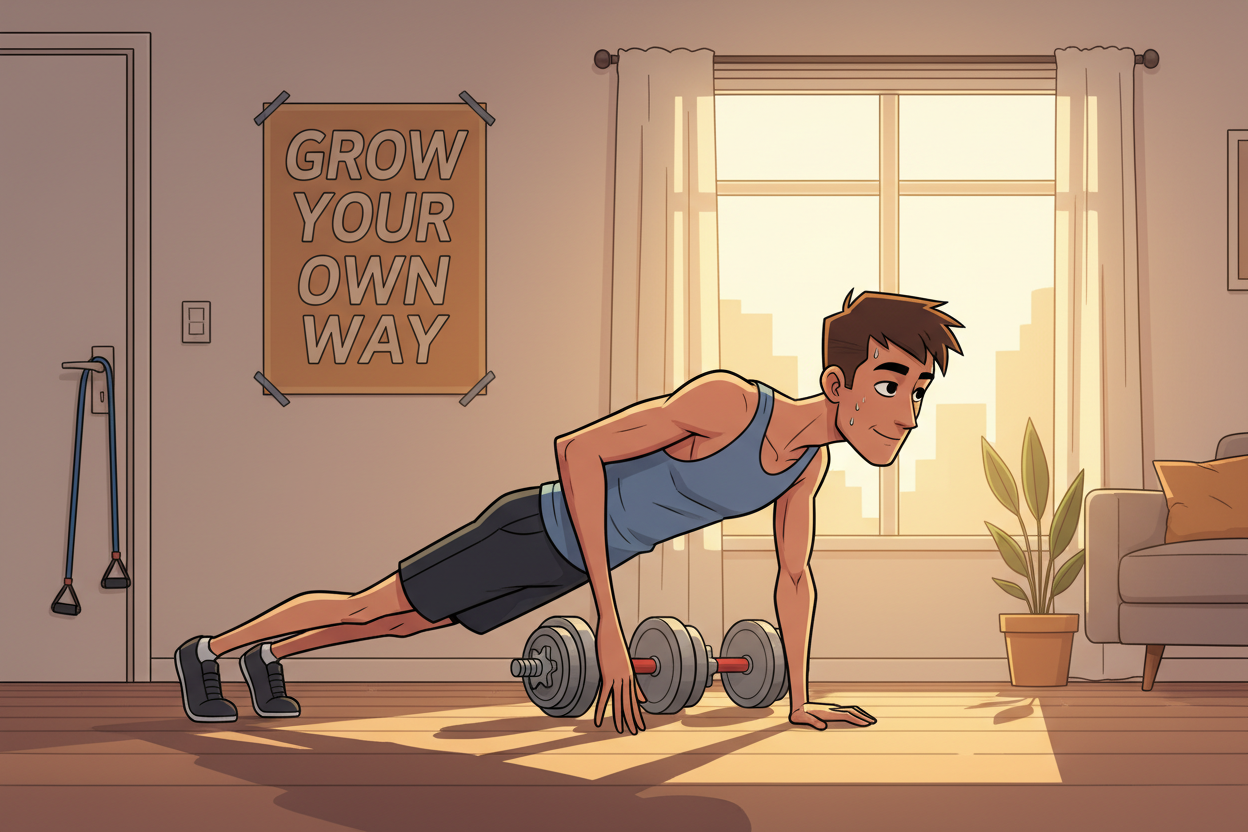
Many people share the belief that building a impressive physique is impossible for ectomorphs. History tells a different story. Figures like Charles Atlas proved total body composition change is achievable.
There’s debate on the best method. Bob Hoffman famously sued Atlas, claiming heavy weights were the only real way. Research even shows that just flexing a muscle can cause a 4% size increase over 12 weeks. That’s not the most efficient path to major mass, though.
Our real barriers are often practical: a naturally low appetite or swirling misinformation. Understanding your physiology is the first step to crushing these obstacles.
Here’s the powerful truth. Your body is eager for growth. Provide the right, consistent stimulus, and building muscle becomes a natural response. I want to help you skip the confusion I faced starting out.
Defining Clear Bulking Goals and Tracking Progress
Let’s get one thing straight: you can’t manage what you don’t measure, especially in fitness. I wandered for months before I learned that.
A solid plan gives you a map. I’ve watched clients add 25 pounds of solid muscle in just six months. Some even push past 40. That’s the power of a target.
Your body needs a clear signal. Tracking your weight weekly tells you if you’re eating enough. Logging your lifts shows if you’re getting stronger.
This data lets you adjust. Are the numbers stalling? Time to eat more or push harder. This is how you consistently build muscle.
I keep a simple notebook. Seeing the bar get heavier over time is pure fuel. It proves you’re moving forward, even when the mirror seems static.
Define what success looks like for you. For a skinny guy, it might be filling out a t-shirt or hitting a new personal record. That vision keeps you going.
Consistency is your new best friend. Show up, follow the plan, track the results. The transformation follows.
Key Principles of Hypertrophy Training for Skinny Guys
Building real size isn’t about endless hours; it’s about smart, focused effort.
Hypertrophy training is the science of growth. You must push each set to the edge—leaving just one or two reps in the tank. That near-failure signal tells your body it’s time to adapt and grow.
Here’s a truth I live by: to get stronger, you need more muscle. To build more muscle, you need to get stronger. They fuel each other.
Your foundation must be big, compound exercises. Moves like squats and presses work multiple groups at once. This creates the most growth stimulus across your entire frame.
Aim to train each muscle about three times weekly. That frequency provides the consistent nudge needed for long-term development.
Fill gaps with isolation moves. Some areas, like biceps, need direct attention to truly blossom.
Watch your cardio. Too much can burn the energy your system needs to recover and grow. Keep it minimal and focused.
Stick to these principles. Every session then becomes a direct investment in your transformation.
home workout for skinny guys to gain muscle: The Core Approach
Forget about isolating every tiny muscle. The real magic happens with big, powerful movements.
This is your core approach. Moves like squats and push-ups work multiple joints at once. They provide a massive growth stimulus across your entire frame.
I found this method superior. It allows you to handle heavier loads. That increased tension signals your body to adapt and grow.
Science backs it up. These big lifts promote a greater release of key hormones like testosterone. That environment is critical for adding new mass.
Your at-home sessions thrive on this principle. Use dumbbells or your own bodyweight. The goal is high intensity—pushing each set close to failure.
| Exercise Type | Primary Benefit | Best For | Sample Movement |
|---|---|---|---|
| Compound | Works multiple muscle groups simultaneously | Building overall strength and size efficiently | Barbell Squat |
| Isolation | Targets a single muscle in detail | Polishing and bringing up lagging areas | Bicep Curl |
Focus on these foundational movements. They create a solid platform that supports your development for years. Every rep is an investment.
Compound Exercises: Squats, Bench Press, and Beyond
My journey from lifting 65 pounds to 315 pounds on the bench taught me a crucial lesson. Real power comes from mastering the big, multi-joint exercises.
The bench press is a non-negotiable staple for upper body development. It builds a strong chest, shoulders, and triceps as one unit. Pushing that barbell taught my body to generate force from the ground up.
Similarly, squats are the king for lower body development. They engage your core and back, providing a full-body stimulus. For beginners, I always recommend starting with goblet squats. They’re safer and teach proper form before loading a barbell.
These foundational exercises teach your entire system to work in harmony. That coordinated effort is the best way to get stronger and build new muscle tissue.
We must prioritize movements that allow us to move the most weight. That heavy load creates the intense tension your fibers need to grow. Targeting major groups with these lifts ensures every minute spent training is effective.
By mastering the bench press and other compound lifts, you’ll see your strength and muscle size increase rapidly. Isolation work has its place, but these big exercises build the foundation for everything else.
Structuring Sets, Reps, and Progressive Overload
Progress isn’t a mystery; it’s a math problem you solve with every set. I learned this after months of spinning my wheels. The right sets and reps setup sends a clear growth signal.
A standard hypertrophy protocol involves 3-4 sets per exercise. I suggest this range to ensure enough volume without overtaxing your system. For most of your training, aim for 6-20 reps per set.
This bracket is proven to stimulate the most muscle development. Progressive overload is the non-negotiable key. You must try to add more weight or more repetitions to every single session.
That’s how you force your body to adapt and grow. If you’re aiming for 8 reps, choose a weight that makes those 8 feel challenging.
Failure should occur around rep 9 or 10. This intensity is crucial for signaling growth. When you look at your sets reps plan, remember that consistency in technique is just as important as the load you lift.
We use these specific parameters to create the necessary stress. Always record your reps per set in a notebook. Tracking provides a roadmap.
You’ll know exactly when to increase the demand, ensuring continuous muscle development.
Nutrition Essentials: Calorie Surplus and Protein Intake
Think of your nutrition as the construction crew for the blueprints your training provides. All the effort in the gym means little if your kitchen game isn’t on point.
You must eat a surplus of 300-500 calories above your TDEE to gain weight. This is non-negotiable fuel for growth. Many people struggle simply because they aren’t eating enough, even when they think they are.
I recommend 1.4g to 2g of protein per kg of your body weight. This supplies the amino acids your muscle fibers need to repair and grow bigger.
Spread your protein intake throughout the day. This keeps muscle protein synthesis elevated, optimizing recovery.
| Nutrition Concept | What It Means | Your Action Step |
|---|---|---|
| Calorie Surplus | Eating more energy than your body burns daily. | Add 300-500 calories to your maintenance intake to support weight gain. |
| Protein Target | Providing enough raw material for muscle repair. | Consume 1.4-2g of protein per kg of your body weight every day. |
| Food Tracking | Logging intake to ensure you hit your numbers. | Use an app for a few weeks to verify your surplus and protein goals. |
| Calorie-Dense Foods | Foods that pack a lot of energy in a small volume. | Add nuts, nut butter, or shakes if you find eating enough whole food challenging. |
Treat your fueling with the same seriousness as your training. Track your food initially to lock in the habit. Consistency here builds the foundation for every pound of new mass.
Balancing Cardio, Recovery, and Rest Days
Balancing your effort with proper downtime is the secret sauce most people miss. I learned this the hard way, pushing through fatigue and wondering why my progress stalled.
Cardio is fantastic for heart health. But you must limit it to just one or two sessions per week. This prevents burning the precious calories your system needs to construct new tissue.
True growth happens during recovery, not in the gym. Your body repairs and strengthens fibers on your days off. Prioritizing rest is non-negotiable.
Schedule your cardio on days you aren’t lifting weights. This keeps your energy reserves full for those intense strength sessions. It’s a simple switch with a huge impact.
If you’re a hardgainer, listen up. You might experience more inflammation. That makes dedicated rest even more crucial for long-term success.
Keep the intensity of your cardio low to moderate. A brisk walk or light bike ride is perfect. We’re not trying to set records here—we’re supporting growth.
Take full days off between training days. This is the best way to ensure you’re fully recharged. You’ll hit your next session with more power and focus.
By managing activity levels, you create the perfect environment. Your system can then focus entirely on building new muscle. That’s how you turn effort into lasting change.
Building a Weekly Home Workout Routine
The difference between wishing for change and actually seeing it is a structured schedule. I learned this after my own early struggles. A clear weekly plan removes all the guesswork.
For beginners, I always recommend a 3-day full-body routine. This approach lets you train every major muscle group multiple times each week. That frequency is the sweet spot for triggering growth.
We schedule three to four workouts per week. This provides the perfect balance of stress and rest. Your body gets the stimulus it needs, then ample time to recover and grow stronger.
| Routine Type | Sessions/Week | Best For | Key Focus |
|---|---|---|---|
| Full-Body | 3 | Beginners | Compound lifts, overall development |
| Upper/Lower Split | 4 | Intermediate | Increased volume, specialization |
| Push/Pull/Legs | 5-6 | Advanced | High frequency, detail work |
Consistency with your chosen routine is everything. On rest day, focus on mobility or light activity. This keeps joints healthy and prepares you for the next session.
By sticking to a schedule, you channel all your effort into each set and rep. This training structure turns effort into lasting change. I’ve found this frequency delivers rapid results.
Monitoring Form and Preventing Injuries
Proper form isn’t just a suggestion; it’s your primary defense against setbacks. I learned this after a tweaked shoulder sidelined me for weeks. Good exercise technique ensures the correct tissues are doing the work, building strength safely.
I always focus on the mind-muscle connection during every lift. Your body is efficient, but poor form means you can’t apply the necessary tension for growth. We must treat each repetition with respect.
If you cannot perform a movement correctly for all your sets and reps, drop the weight immediately. Lighter loads with perfect control are far superior. Every single rep is a chance to practice perfect technique.
| Strategy | How It Helps | Best Time To Use |
|---|---|---|
| Self-Check | Builds internal awareness of positioning and tension. | During every set, focusing on the mind-muscle link. |
| Video Analysis | Provides objective feedback on your form from all angles. | When learning a new exercise or hitting a plateau. |
| External Feedback | Gets an experienced eye to spot subtle flaws you might miss. | Periodically, to correct ingrained habits before they cause issues. |
Building muscle is a marathon. Staying injury-free is the only way to keep progressing long-term. This is why developing a strong midsection for stability is so valuable. Protect your joints, honor the movement, and you’ll crush your next session.
Success Stories and Expert Insights from the Field
Extreme success stories often dominate the fitness headlines, but they rarely tell the whole story. Casey Viator gained 63 pounds of muscle in 28 days. Tim Ferriss added 34 pounds in the same timeframe.
These are incredible, yet they’re outliers. Viator had rare genetics and likely used enhancements. Ferriss leveraged muscle memory after being detrained.
We must learn from these programs with a realistic lens. For a natural trainee, steady progress wins. I’ve helped over 10,000 clients build their physiques.
The most successful ones stick to a proven, consistent training program. They don’t chase magic pills or impossible timelines.
Every great transformation relies on the same core principles. Smart training with heavy compound exercises is key. You need a calorie surplus to support weight gain.
Your body responds to progressive overload in your sets and reps. A solid weekly routine provides the structure. Proper recovery lets your body adapt.
Use these insights to refine your approach. Avoid marketing gimmicks that promise the moon. Focus on the basics—they always work.
Add weight to the bar over time. Be patient with your muscle growth. Your own success story is built one rep, one meal, one day at a time.
Conclusion
You’ve got all the tools now—the blueprint for real change is in your hands. You understand the key principles for muscle growth. A consistent training routine and a calorie surplus are your foundation.
Stick to your plan with dedication. Focus on compound exercises that challenge your entire body. Always strive to add weight or reps to your sets each week.
Track your body weight regularly. This data tells you if you’re fueling growth properly. Prioritize rest days so your muscles can repair and get stronger.
I’m confident you will see amazing results. Every single day you put in the work brings you closer. Thank you for allowing me to guide you. I’m excited to witness your transformation!