

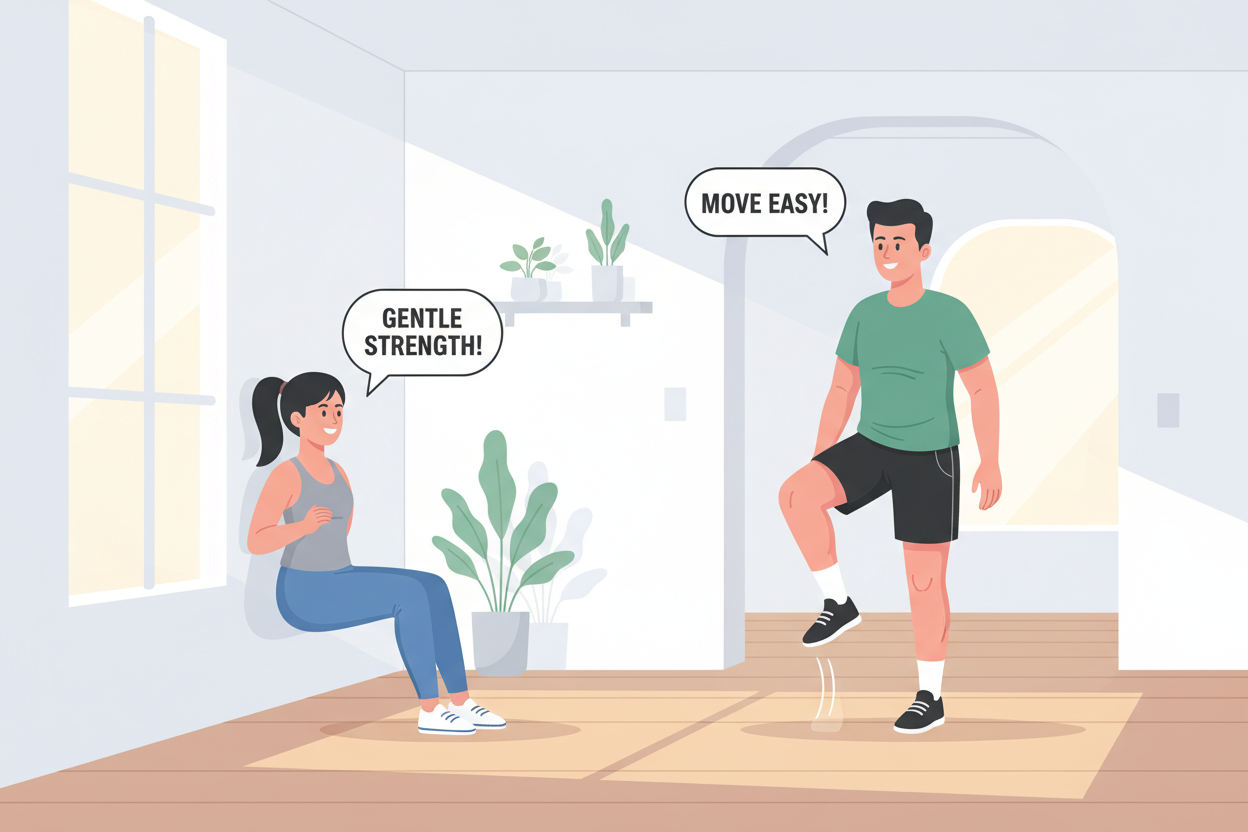
Does the thought of training your lower body make you wince? I’ve been there—that sharp reminder with every step that something just isn’t right.
With nearly 25% of adults navigating knee pain, skipping activity feels like the only safe choice. But what if you could build real strength without that familiar ache?
I designed this approach for us. We’re going to move past fear and focus on smart, supportive movement. The goal is to fortify your entire foundation—your hips, glutes, and back—so your body moves as it should.
This isn’t about high-impact stress. It’s about reclaiming your confidence and mobility through targeted exercises that respect your limits. You can do this right at home, and I’ll show you how.
Key Takeaways
- Nearly one in four adults manages knee discomfort, making smart training essential.
- Effective routines build strength by supporting the hips, glutes, and back.
- You can achieve significant results without any special equipment.
- The focus is on low-impact movement to protect your joints.
- This approach is designed to increase mobility and reduce pain.
- Building a strong foundation helps improve overall body mechanics.
- These methods are accessible for all fitness levels, starting right at home.
The Science Behind Knee-Friendly Leg Workouts
I used to think my knees were just ‘bad,’ until I learned the science of supportive training. It changed everything. This isn’t about magic—it’s about smart biomechanics.
Understanding Joint Mechanics
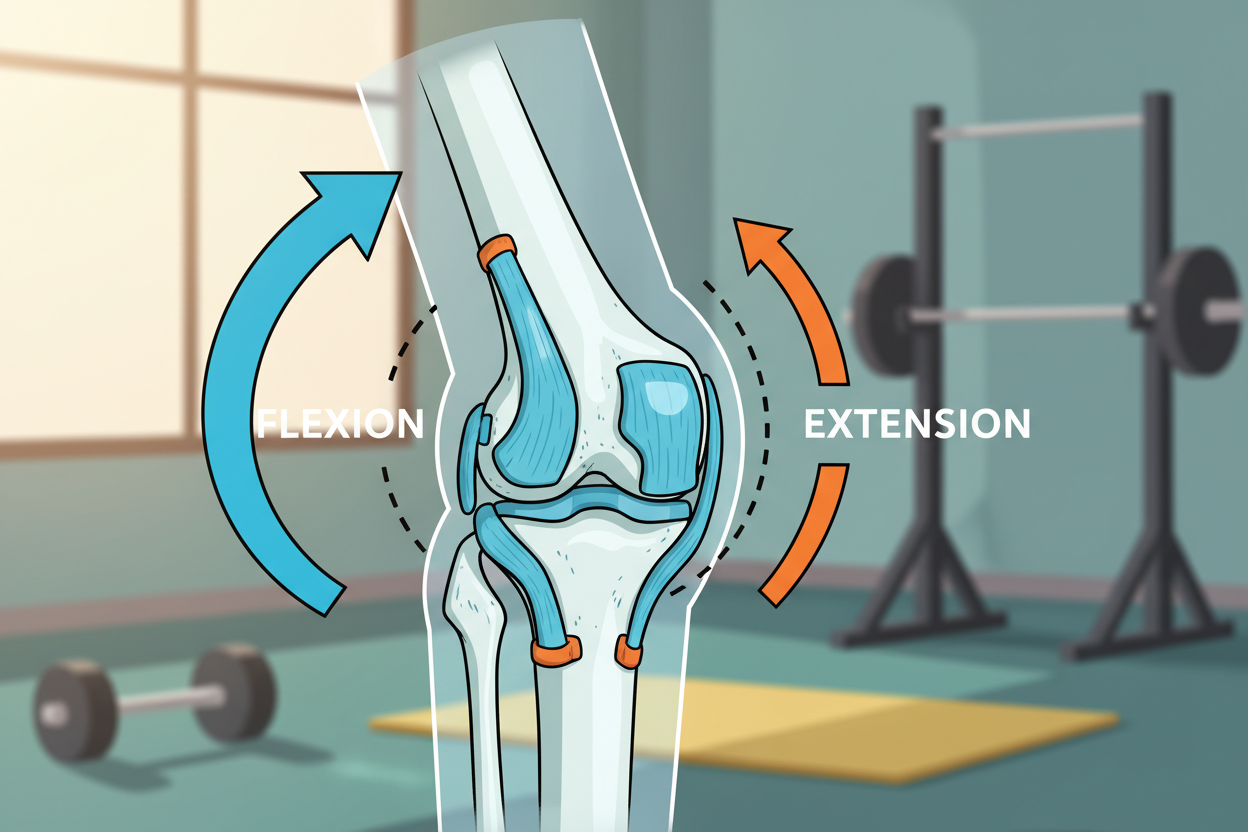
Your knee is a complex hinge. A key player is a quadriceps muscle called the vastus medialis. It’s responsible for the final bit of leg extension.
When this muscle is weak, your joint doesn’t track properly. This understanding is vital for long-term health. Strong, balanced muscles guide smooth motion.
Importance of Muscle Balance
Think of your glutes and hamstrings as a supportive team. If they’re weak, your thighs and knees take on all the stress. We must prioritize this balance.
Your foundation matters too. How you position your feet distributes weight evenly. This simple act prevents injury before it starts.
I always share this secret: a strong core and stable hips protect your back. They create a solid pillar for every exercise. Focus on slow, controlled motion.
This method strengthens everything around the joint. It’s a proven path to reduce chronic discomfort. Whether you’re doing a squat or a side movement, keep your spine neutral. Your joints will thank you.
Leg workout for bad knees no equipment: A Home-Based Strategy
Let’s talk about turning your home into a sanctuary for smart, joint-conscious training. This approach gives you complete control over your pace and environment.
You build the right habits from the ground up. It’s the safest path to lasting strength.
Benefits of a No-Equipment Routine
Here’s the deal. Without heavy weight, you can focus purely on form and muscle engagement. This is crucial for rebuilding trust in your body’s mechanics.
Your living room floor becomes your studio. You learn to generate power from your hips and glutes, not your knees.
| Aspect | Home-Based (No Equipment) | Traditional Gym |
|---|---|---|
| Control | Full control over range of motion and speed | Often dictated by machine paths |
| Focus | Form and muscle mind-connection | Can prioritize lifting heavy weight |
| Accessibility | Always available, zero cost barrier | Requires membership and travel |
| Impact | Naturally low-impact, joint-friendly | Can involve higher compressive forces |
| Setup Time | Instant—just clear a space | Time spent traveling and waiting |
Tips for a Safe Setup
Always start with your feet hip-width apart. This creates a stable base for every movement.
Use a wall for support during a squat. It helps keep your hips back and your weight on your heels.
Mastering fundamental bodyweight exercises like glute bridges is key. Lie on the floor with knees bent and feet flat. Lift your hips, then slowly lower them back down. This builds strength in your glutes and hamstrings to protect your lower back.
The goal is to make your supportive muscles do the work.
Isometric and Low-Impact Exercises for Joint Relief
When my knees were at their worst, I discovered a game-changer: isometric holds. These static positions build real strength without the dynamic motion that can cause irritation.
They are a cornerstone of smart, joint-friendly training. This approach lets you challenge your muscles while giving your joints a break.
How Isometric Wall Sits Work
Picture your back against a solid wall, feet planted firmly. You slide down into a seated position and hold it. This is the wall sit.
It’s a powerhouse for your quadriceps. I love it because there’s no bending or extending the knee joint during the effort.
This is why physical therapists use it for ACL recovery. It builds strength in a completely stable, controlled position.
Benefits of Controlled Movements
The magic is in the control. Slow, deliberate holds let you focus on engaging the right muscles—your core and glutes.
You can always adjust the depth. Find a spot that feels strong but doesn’t provoke any discomfort.
This is how you build a resilient foundation. These low-impact exercises helped me gain strength without triggering old pain.
Targeting Supportive Muscles Without Strain
The secret to pain-free movement isn’t in your knees—it’s in the supportive network around them. I focus on the muscles that act as natural shock absorbers. This strategy builds a fortress of strength where it matters most.
Activating Glutes and Hamstrings
My game-changer was learning about the gluteus medius. This is a key muscle on the side of your hip. It stabilizes your pelvis during any lower body movement.
When it’s strong, your knee doesn’t collapse inward. I make sure my glutes and hamstrings fire up first in every session. This support takes pressure off my lower back and joints.
Here’s my trick: drive through your heels. This simple cue engages your entire posterior chain. You build real strength without adding extra weight.
Building Core Stability
This isn’t just about your abs. It’s about creating a solid foundation from your ribs to your hips. A stable core protects your entire body during every exercise.
I keep my quads engaged to provide necessary support for the joint. A strong, stable physique is your best defense against everyday aches. It makes all the difference for long-term mobility.
Bodyweight Moves for Everyday Knee Strength
Some of the most powerful movements are the ones we do every single day. Training for life, not just the gym, builds a resilient and capable physique.
This approach focuses on functional patterns that translate directly to climbing stairs, standing up, and walking with ease.
Effective Step-Ups and Chair Squats
Step-ups are a game-changer. They mimic climbing stairs, building the exact strength you need for daily life.
Here’s the trick: start with a low platform. This keeps your knee from bending past 90 degrees, protecting your joints.
I also love chair squats. They give you a clear target for depth, ensuring perfect form. You engage your entire lower body—your glutes, hips, and thighs.
Performing these on one leg is powerful. It corrects imbalances, a common source of discomfort. Keep your core tight and your back straight.
This ensures your muscles do the work, not momentum. These bodyweight moves build real-world strength right at home.
Augmenting Your Routine with Aquatic and Cycling Workouts
I found a surprising ally in my journey: the pool and a stationary bike. When my body needed a break from floor-based movements, these options kept me moving forward.
They offer incredible cardiovascular benefits with almost zero joint stress. This is the perfect way to build stamina and maintain your progress.
How Water Exercises Reduce Impact
Water walking is a game-changer. The buoyancy supports your body weight, taking pressure off your joints.
You can perform movements in the pool that feel impossible on land. This gently improves your overall range of motion.
It’s not just about walking. The water provides natural resistance in every direction. This strengthens your muscles without heavy loads.
Your quads and hamstrings get a fantastic workout. The best part? There’s no jarring impact to trigger discomfort.
| Activity | Key Benefit | Best For |
|---|---|---|
| Water Walking | Buoyancy drastically reduces compressive forces on joints. | Improving mobility and building foundational strength. |
| Stationary Cycling | Promotes smooth, controlled movement to build leg endurance. | Cardiovascular fitness and active recovery days. |
I also love cycling. It lets you build serious endurance in your legs. The motion is smooth and controlled.
Focus on a consistent, moderate pace. This engages your hips and hamstrings beautifully. You’ll strengthen the entire lower body.
Start with short, 20-minute sessions. Consistency here is your real key to success. Listen to your body and enjoy the movement.
Proper Form and Safety Measures During Leg Workouts
I learned the hard way that ignoring form leads straight to setbacks. Proper technique is your best armor against injury.
This is non-negotiable, especially on a stationary bike. Aim for a cadence of 80-100 RPM to build endurance effectively.
Always check your seat height. Your knee should have a slight bend at the bottom of each pedal stroke.
Keep your back flat and your core engaged during any lower body exercise. This protects your spine and ensures the right muscles work.
Warming up for 5-10 minutes boosts blood flow. It prepares your joints for the work ahead.
If you feel any sharp pain, stop immediately. Reassess your position. Pushing through discomfort turns a minor issue into an injury.
| Safety Check | Why It Matters | How to Do It |
|---|---|---|
| Seat Height | Prevents strain on the knee joint. | Adjust so leg is almost straight at pedal’s lowest point. |
| Core Engagement | Protects your back and improves stability. | Brace your abs as if preparing for a gentle punch. |
| Foot Position | Ensures even weight distribution. | Keep feet hip-width apart, toes pointing forward. |
| Movement Control | Builds strength without compromising joints. | Perform each rep slowly, focusing on the muscle working. |
Prioritize control over intensity. This builds a stronger physique while keeping your knees safe. A solid foundation starts with mastering basics, like in a beginner glute workout at home.
Modifications for Different Fitness Levels
Your fitness journey isn’t a straight line—it’s a series of smart adjustments. I learned this after trying to follow programs that didn’t fit my needs. The real power lies in scaling movements to match your current ability.
Progressions and Regressions
Progressions challenge you safely. If a glute bridge feels easy, try it on one leg. This fires up your glutes and hamstrings more.
Regressions are a sign of intelligence, not weakness. They let you master form first. A 10% weekly increase in intensity is my golden rule for safe progress.
| Strategy | When to Use | Example Movement |
|---|---|---|
| Progression | When an exercise feels too easy and pain-free. | Single-leg glute bridge. |
| Regression | To learn perfect form or manage discomfort. | Glute bridge with feet on the floor. |
| Form Focus | If your lower back takes over. | Ensure feet flat and knees bent. |
When to Adjust Your Routine
Listen to your body’s signals. If you feel strain in your lower back, it’s time to adjust. Focus on engaging your quads and glutes instead.
On the floor, keep your feet flat and knees bent. Push your hips back as you slowly lower your body. This protects your joints and builds real strength.
By making these small changes, you stay consistent and safe. Every session should feel challenging but never painful.
Incorporating Functional Movements for Daily Activities
I once tweaked my back picking up a laundry basket, and that’s when I discovered the hip hinge. This fundamental movement changed how I approach daily tasks. It’s not just an exercise—it’s a lifestyle skill that builds real-world resilience.
Utilizing Hip Hinges for Better Movement
The hip hinge protects your knee by engaging the posterior chain. When you bend correctly, your glutes and hamstrings do the heavy lifting. This takes pressure off your joints immediately.
I incorporate this into my daily routine to keep my lower back healthy and my legs strong. Mastering the hinge means moving with strength and grace. It’s essential for avoiding chronic pain.
Functional movements train your body for real life. They build longevity without relying on joints. When you hinge correctly, you activate powerful posterior muscles.
| Aspect | Correct Form | Incorrect Form |
|---|---|---|
| Back Position | Flat, neutral spine | Rounded lower back |
| Knee Bend | Slight, soft bend | Excessive bending |
| Weight Distribution | Heels, hips back | Toes, forward lean |
| Muscle Engagement | Glutes & hamstrings active | Lower back strained |
Practice until it becomes second nature. This is the foundation of a pain-free, active lifestyle. Your knees will thank you every single day.
Advanced Strategies for Progressive Knee-Friendly Strength
My strategy for continuous improvement hinges on one core principle: gradual, thoughtful overload. This is the secret to building long-term strength without overloading your knee joint.
Advanced training relies on the principle of gradual overload. Your muscles adapt without stressing the joint. I always focus on the quality of my glute contractions first.
Gradual Increase in Intensity
By staying patient and consistent, you build a level of strength that protects your knees. It keeps you moving pain-free for years. Your glute strength is the engine of your lower body.
Keep challenging it with new, controlled variations. When you’re ready to advance, add small, incremental changes. This ensures your body is always challenged but never overwhelmed.
The most successful athletes respect their limits. They build their strength with a steady, thoughtful approach.
| Strategy | How It Works | Key Benefit |
|---|---|---|
| Time Under Tension | Slow down each repetition’s lowering phase. | Increases muscular endurance without added weight. |
| Range of Motion | Gradually deepen your squat or hinge over weeks. | Improves mobility and strengthens through full movement. |
| Single-Leg Variation | Perform exercises like bridges on one leg. | Corrects imbalances and boosts glute activation. |
This smart progression strengthens the muscles around your hips and knees. It’s the ultimate way to support your joints during every exercise.
Conclusion
You’ve just unlocked a powerful blueprint for building strength that honors your body’s needs. We’ve explored how simple, targeted exercises can forge a resilient leg foundation while keeping your knees safe.
Remember, consistency is your greatest ally. Keep focusing on your glutes and hamstrings—they’re the powerhouse muscles that support your joints every day.
You now have all the tools to design a routine that works for you. I’m incredibly proud of you for taking this step toward better health.
Always listen to your body and celebrate every bit of progress. With these strategies, I’m confident you’ll crush your goals and enjoy the freedom of movement you deserve.