

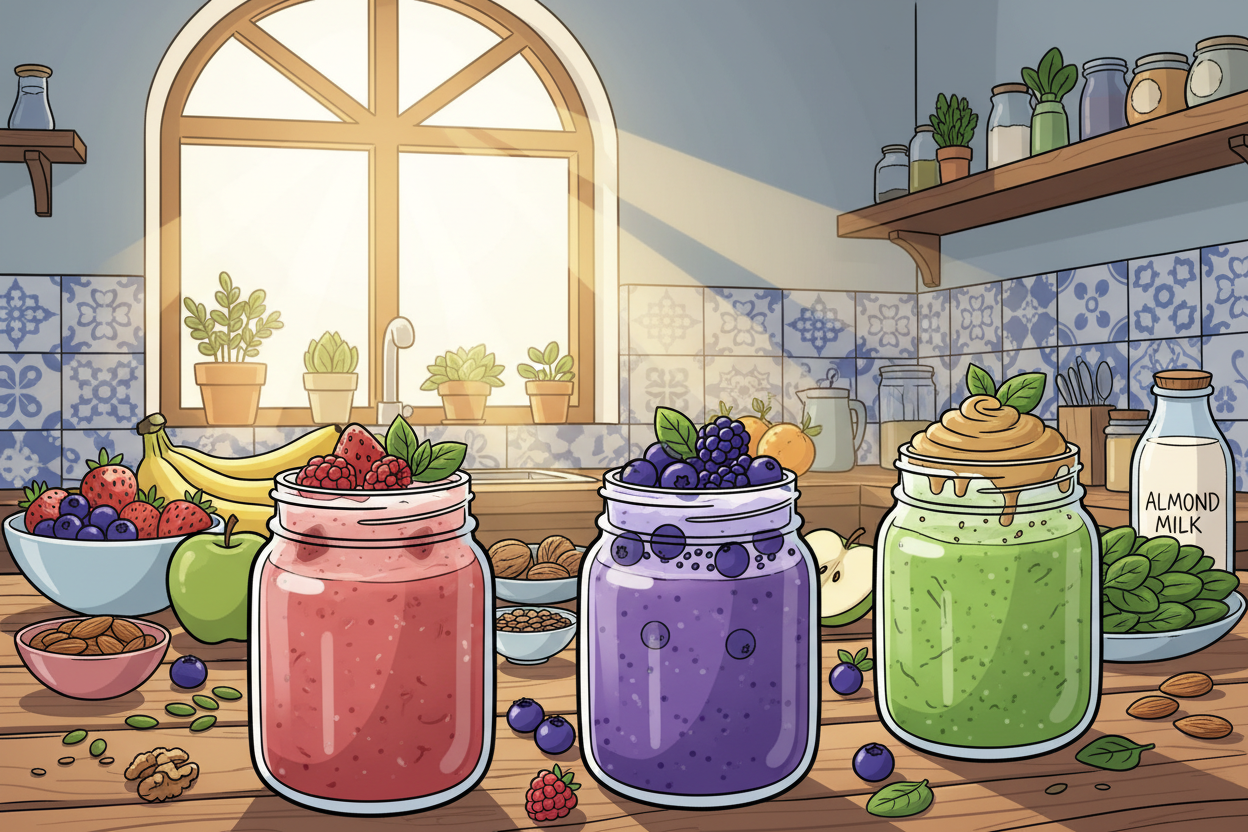
Ever stare at your blender, wondering how you’ll hit your protein goals without that familiar scoop? I’ve been there—that moment when your macros feel just out of reach.
We often think a powerful, muscle-supporting drink needs a processed supplement. But what if your kitchen already holds the key?
You can get the same 20 to 30 grams of protein from whole, nutrient-dense foods. It’s about choosing ingredients that work as hard as you do.
This approach fuels recovery naturally and keeps your energy steady. Let’s grab real food and make a shake that’s both delicious and deeply satisfying.
Key Takeaways
- You can meet your daily protein targets using whole foods instead of supplements.
- Whole food ingredients can provide a comparable 20-30 grams of protein per serving.
- Shifting to real foods supports muscle recovery without artificial additives.
- Creating satisfying shakes from scratch is simpler than you might think.
- This method offers sustained energy and aligns with a clean, nutrient-focused diet.
- You don’t need specialized products to craft a powerful and effective post-workout drink.
- Empower yourself by learning which kitchen staples pack the biggest protein punch.
Reimagining Smoothies with Whole Food Protein
I used to think a real protein boost needed that chalky scoop—until I discovered my kitchen. We can build a complete, muscle-supporting drink from ingredients we already own.
Benefits over Conventional Protein Powders
Research shows most people need about 15-30 grams with breakfast. Whole foods deliver that alongside fiber and micronutrients often missing from processed supplements.
This natural approach helps you maintain lean mass. You also feel more satisfied after your morning meal.
Enhanced Nutrient Profiles from Real Foods
Swap a scoop of powder for a cup of nutrient-dense items. You gain a better profile of vitamins and minerals for your body.
I love adding seeds like chia or flax. They provide a significant boost to your daily fiber intake, which is crucial for long-term health.
Focusing on whole food sources allows for effective weight management. It ensures you get the right amount for your needs.
Understanding Protein Needs and Smoothie Nutrition
I remember feeling lost about my own dietary targets until I broke down the numbers. For general health, experts suggest a minimum of 0.8 grams per kilogram of body weight. That’s your baseline.
Determining Your Daily Protein Requirements
Calculate your personal target. If you weigh 150 pounds, that’s about 55 grams daily. But for muscle support, aim for 15-30 grams per meal.
This amount fuels recovery and helps you maintain lean mass. It’s the first step in building a meal that works as hard as you do.
Balancing Protein, Fiber, and Healthy Fats
A great shake isn’t just about one nutrient. I always check the nutritional composition of my ingredients.
Adding a tablespoon of seeds boosts fiber and keeps you full. This balance prevents mid-morning hunger and supports a healthy diet.
Focus on whole food sources. You’ll meet your needs and feel satisfied for hours.
Protein Smoothies Without Protein Powder: Alternatives Explained
I learned the hard way that not all protein sources are created equal or regulated the same. The Food and Drug Administration doesn’t tightly control supplements like conventional protein powder. This means choosing whole food options gives you complete control over what you’re consuming.
Diverse Protein Sources: Dairy and Plant-Based Options
I love having both dairy and plant-based choices at my fingertips. A simple cup of cow’s milk or a fortified plant milk can serve as an excellent liquid base. These ingredients provide a reliable foundation for any blend.
Soy milk and hemp seeds offer what your muscles truly need—a complete amino acid profile. They’re fantastic plant-based alternatives that deliver quality nutrition. Adding beans or silken tofu might sound unusual, but they create a wonderfully creamy texture.
By mixing up your sources, you ensure a wide spectrum of nutrients. This approach supports your overall health while helping you manage your target weight. It’s about building a better shake from the ground up.
Whole Food Ingredients That Elevate Your Smoothie
Let’s talk about the real MVPs that can turn your average blend into a muscle-fueling masterpiece. I found my favorite ingredients right in my fridge and pantry.
These items pack a serious nutritional punch. They make your drink creamy, satisfying, and incredibly effective.
Greek Yogurt, Cottage Cheese, and Other Milks
Dairy staples are a game-changer. A brand like Maison Riviera offers a Greek-style yogurt with 12g of protein per 3/4 cup.
Cottage cheese is another powerhouse. It delivers a massive 17g per 1/2 cup serving.
For a plant-based boost, try hemp hearts. Just three tablespoons give you 10g of protein plus omega-3s.
A tablespoon of almond butter adds healthy fats and creaminess. Soy milk matches cow’s milk with about 8g per cup.
Don’t overlook silken tofu. It’s a flavorless source that creates a silky texture.
| Ingredient | Serving Size | Protein (grams) | Key Benefit |
|---|---|---|---|
| Greek Yogurt | 3/4 cup | 12 | High protein, creamy base |
| Cottage Cheese | 1/2 cup | 17 | Very high protein, rich texture |
| Hemp Hearts | 3 tablespoons | 10 | Plant-based, adds omega-3s |
| Soy Milk | 1 cup | 8 | Dairy-free, complete protein |
Crafting Your High-Protein Smoothie in Simple Steps
The secret to a perfect, lump-free blend isn’t magic—it’s all about the order you add things. I used to just throw everything in and hope for the best. Now, I follow a simple sequence that works every single time.
This method is especially helpful if you’re into resistance training. Getting the right nutrients after a workout supports muscle recovery. A well-made shake helps you manage weight and feel great.
Step-by-Step Mixing Techniques
I always start my blender with the liquid base. Pour in about a cup of your preferred milk. This lets the blades spin freely from the start.
Next, add your soft, protein-rich ingredients like yogurt or seeds. Then, layer in frozen fruit. This order prevents chunks and creates a thick, even texture.
For the creamiest result, add a couple of tablespoons of nut butter. It acts as a natural emulsifier. Finally, pulse a few times before blending on high to break down any tough items.
| Step | What to Add | Why It Works |
|---|---|---|
| 1. Liquid Base | 1 cup milk (dairy or plant-based) | Lubricates the blades for smooth blending |
| 2. Protein & Soft Items | Yogurt, cottage cheese, or seeds | Combines easily before frozen elements |
| 3. Frozen Elements | Frozen fruit or ice | Chills and thickens the final drink |
| 4. Emulsifier | 2 tablespoons nut butter | Binds everything for a creamy, uniform shake |
Following these steps is the best way to ensure your body gets what it needs quickly. It turns a simple task into a powerful routine.
Creative Flavor Combos for Tasty Protein Shakes
I hit a wall with boring shakes—then I started playing with unexpected pairings that changed everything. Your blender is a canvas for delicious, muscle-supporting art.
You don’t need a fancy protein powder to make something incredible. The right ingredients from your fridge can create magic in minutes.
Easy Blends for Busy Mornings
My favorite go-to is a chocolate banana peanut butter blend. Using soy milk instead of water gives it a rich creaminess and about 16 grams of protein.
For a refreshing twist, combine a cup of frozen berries with your choice of milk and a drizzle of honey. It’s a sweet, antioxidant-packed start to your day.
These recipes are designed for speed. You can have a nutritious meal ready in under five minutes.
Sweet and Savory Recipe Inspirations
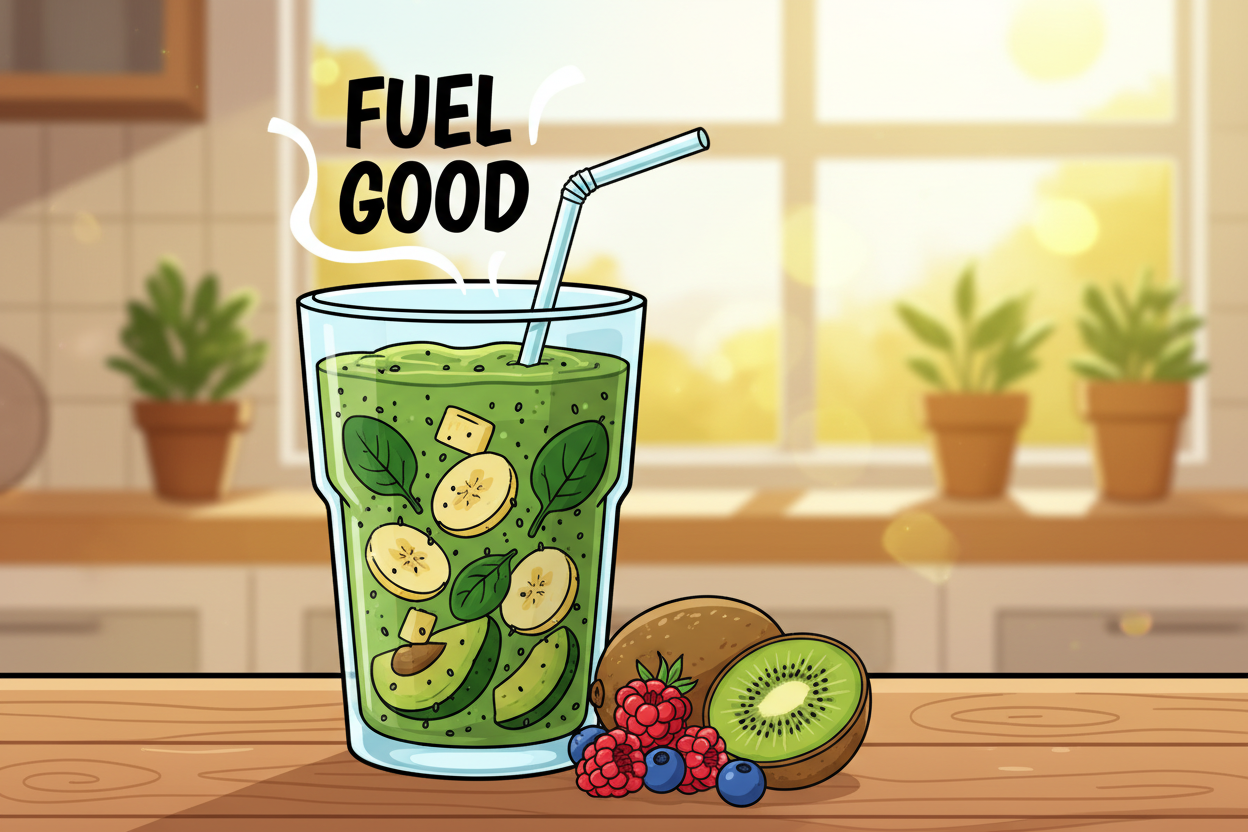
Feeling adventurous? Try a savory-leaning drink with spinach and avocado. It offers a unique flavor profile and plenty of healthy fats.
I love how these strong flavors can mask the taste of ingredients like beans or silken tofu. This makes it easy to get your nutrients without any fuss.
Experimenting keeps your routine exciting. Grab your blender and discover a new favorite today.
Adapting Recipes for Dietary Preferences and Restrictions
Navigating food sensitivities used to feel like a puzzle I couldn’t solve—until I realized my blender was the key. You don’t need a specialized protein powder to make it work. We all have unique needs, but that shouldn’t stop us from crafting delicious, supportive drinks.
Allergy-Friendly and Budget-Conscious Alternatives
Got a nut allergy? I swap almond butter for SunButter, which provides 7 grams of protein per 2 tablespoons. This simple switch keeps your intake high without any risk.
If you’re watching your sugar, I recommend using a cup of unsweetened soy milk or plain Greek yogurt. These selections maintain a clean and healthy flavor profile for your daily routine.
On a tight budget? Your pantry holds the answer. Staples like beans or seeds are a far more affordable source than expensive supplements. They help you hit your protein targets and manage weight goals effectively.
You can easily adapt any blend by swapping dairy cheese for a plant-based yogurt or tofu. These alternative sources accommodate specific dietary needs perfectly.
One pro tip: always rinse canned beans thoroughly to remove excess sodium. This step ensures your shake is heart-healthy and delicious every time.
Quick Protein Shake Recipes Without Protein Powder
Let me share two of my go-to recipes that prove you don’t need a single scoop to fuel your day. These blends are my secret weapon for a quick, nutrient-packed meal.
My Green Tofu shake is a powerhouse, packing 41 grams of protein by using silken tofu, peas, and a cup of soy milk. For a sweet treat, the Pineapple White Bean shake uses Greek yogurt and cottage cheese to reach 32 grams per serving.
I love how these recipes show you can get so much from simple food sources like beans, nuts, and seeds.
Easy Blends for Busy Mornings
If you are in a rush, keep a list of these ingredients handy. You can throw together a high-fiber meal in seconds.
Using almond butter and banana provides natural sweetness and a creamy texture. This makes these shakes taste amazing and keeps you satisfied.
Grab your blender and crush your morning routine with ease.
Sweet and Savory Recipe Inspirations
The Green Tofu blend is surprisingly refreshing. The silken tofu and soy milk create a silky, smooth base that hides the peas perfectly.
For the Pineapple White Bean version, the cottage cheese adds a rich thickness. The Greek yogurt brings a tangy balance to the sweet fruit.
Both recipes are fantastic examples of using whole ingredients as your primary source. They deliver incredible results and support your fitness goals.
Troubleshooting Common Smoothie Challenges
We’ve all been there—a smoothie that’s too runny or one that feels like a brick in your stomach. Don’t worry! I’ve faced these blending hurdles too, and found simple fixes that work every time.
Achieving the Perfect Consistency
If your shake is too thin, add a scoop of Greek yogurt or cottage cheese. This thickens it up fast and boosts your protein intake.
For a gritty texture, try blending a cup of spinach with soy milk first. It breaks down the fibers smoothly.
Is your blend too thick? Just add a splash more milk or water until it’s just right.
Overcoming Digestive Sensitivities
Switching from processed supplements to whole foods can help your stomach. Ingredients like tofu or beans are gentle and effective.
This also avoids risks from unregulated products. Some protein powder may contain heavy metals due to lack of FDA regulation.
Sticking to real ingredients is the smartest choice. A tablespoon of nut butter can add creaminess without discomfort.
| Common Issue | Quick Fix | Best Ingredient to Use |
|---|---|---|
| Too Thin | Add a thickener | Greek yogurt or cottage cheese |
| Too Thick | Add more liquid | Milk or water (start with 1/4 cup) |
| Gritty Texture | Blend greens first | Spinach with soy milk |
| Digestive Discomfort | Use whole food sources | Tofu, beans, or nut butter |
Conclusion
You’ve just unlocked a whole new way to power your day—right from your own kitchen. I hope you feel equipped to crush your fitness goals with simple, whole ingredients.
Remember, finding the right amount for your body is a personal journey. Experiment with different sources like creamy yogurt, fiber-rich beans, or nut butter. Each blend supports your muscle and overall health.
By focusing on the nutritional composition of your meals, you build a sustainable routine. You don’t need expensive powders to see progress.
Keep your pantry stocked with these staples. You’ll always be ready to whip up a nutritious shake in minutes. Now, grab your blender and discover your perfect, powerful blend!