


Starting your nutrition plan as a beginner can feel like a huge mountain to climb—but what if I told you the view from the top is absolutely worth it? I remember staring at my fridge, completely lost on how to fuel my ambitions. The truth is, your hard work lifting weights creates the opportunity, but the food you eat is what actually builds a stronger, more capable you.
Lifting breaks down tissue. That’s the easy part. Without the right nutrients, your body can’t rebuild bigger and stronger. It’s like trying to construct a house without any bricks. I learned this the hard way, feeling drained and seeing slow progress.
That’s why getting your meals sorted is the game-changer. It ensures every rep and set contributes to your long-term goals. Think of it as the secret weapon for anyone serious about changing their physique.
We’re going to cut through the confusion together. I’ll show you how to master the essential habits, starting with the foundation: protein. When you align your eating with your training, you transform your body and unlock the strength you’ve always wanted.
Key Takeaways
- Strength training creates the need for growth, but proper nutrition does the actual building.
- Without enough quality food, intense workouts can lead to muscle loss instead of gain.
- Protein is the critical building block your body requires to repair and grow stronger tissue.
- Having a clear, simple plan for your meals is the key to consistent progress.
- Aligning your diet with your training efforts turns gym time into visible, sustainable results.
- Starting simple removes overwhelm and builds the confidence to keep pushing forward.
Understanding Nutritional Foundations for Muscle Building
Ever wonder why some people make gains while others stall? The secret often lies in their nutritional blueprint. Getting your food right is like having the perfect game plan before you even step into the gym.
Role of Protein, Carbs, and Fats
Protein is your body’s building block. After every tough session, your tissues need it to repair and grow stronger. I never skip my protein—it’s non-negotiable for progress.
Carbohydrates are your fuel tank. They give you the energy to crush heavy lifts and push through plateaus. Without enough carbs, your training will feel like running on empty.
Don’t fear healthy fats. They keep your hormones balanced and support overall health. These nutrients work together like a team to build strength from the inside out.
Balancing Your Calorie Intake
Your total calorie intake matters just as much as your macros. Eating too little can actually cause your hard-earned tissue to break down. You need a slight surplus to support growth.
Think of it this way: your body requires extra resources to construct something new. Pairing smart nutrition with consistent effort is what creates visible change. For more on this, check out these daily habits that boost muscle growth.
It’s not about eating everything in sight. It’s about fueling your ambition with precision. When you get this balance right, every rep counts double.
Meal Prep for Muscle Building Beginners
I used to think progress was all about lifting more, until I discovered the real secret: a solid weekly plan. This sport is unique—your physique is the report card. That demands a different kind of discipline in the kitchen.
A structured meal plan is your best tool. It guarantees you hit your targets every single day, no guesswork needed.
| Aspect | With a Structured Plan | Without a Plan |
|---|---|---|
| Nutrient Consistency | Hit protein and calorie goals daily | Miss targets, slowing progress |
| Daily Decision Fatigue | Choices are made in advance | Impulsive, often poor, food choices |
| Progress Tracking | Easy to adjust based on results | Hard to pinpoint what’s working |
| Adaptability to Busy Life | Pre-portioned food keeps you on track | Schedule chaos leads to skipping meals |
For bodybuilding, being disciplined with your protein intake is non-negotiable. Your tissues need that fuel to repair and grow stronger after every session.
Prepping your food in advance stops you from grabbing junk when you’re tired. It’s empowering to open the fridge and see your success waiting.
This routine is a form of self-care. It honors the effort you put into your body every day. A good diet plan turns kitchen time into gains.
Calculating Calories and Macronutrients
Figuring out your exact nutritional needs is where science meets your personal journey. It turns guesswork into a clear roadmap for your goals.
Determining Your Caloric Surplus
I suggest starting with a 500-calorie surplus above your maintenance level. This gives your body the extra fuel it needs to grow without adding excessive fat.
Track your weight every single day. Aim to gain 0.5-1% of your body weight per week. This keeps progress sustainable and lean.
Finding the Right Macro Ratios
Your macro split is crucial. When you calculate your intake, aim for 30-35% protein, 55-60% carbs, and 15-20% fats.
Protein repairs tissue. Carbs fuel your training. Healthy fats support hormone function. This balance powers effective nutrition.
Remember, your body is unique. A consistent meal plan helps you hit these targets without stress. Consult a pro to refine your diet, especially if you’re new to bodybuilding.
Adjust your plan as you see how your weight changes. Precision in your meals builds quality muscle every day.
Effective Meal Planning Strategies
Transforming your physique isn’t just about lifting weights—it’s about mastering the art of your weekly menu. I learned that having a clear strategy turns kitchen chaos into consistent progress.
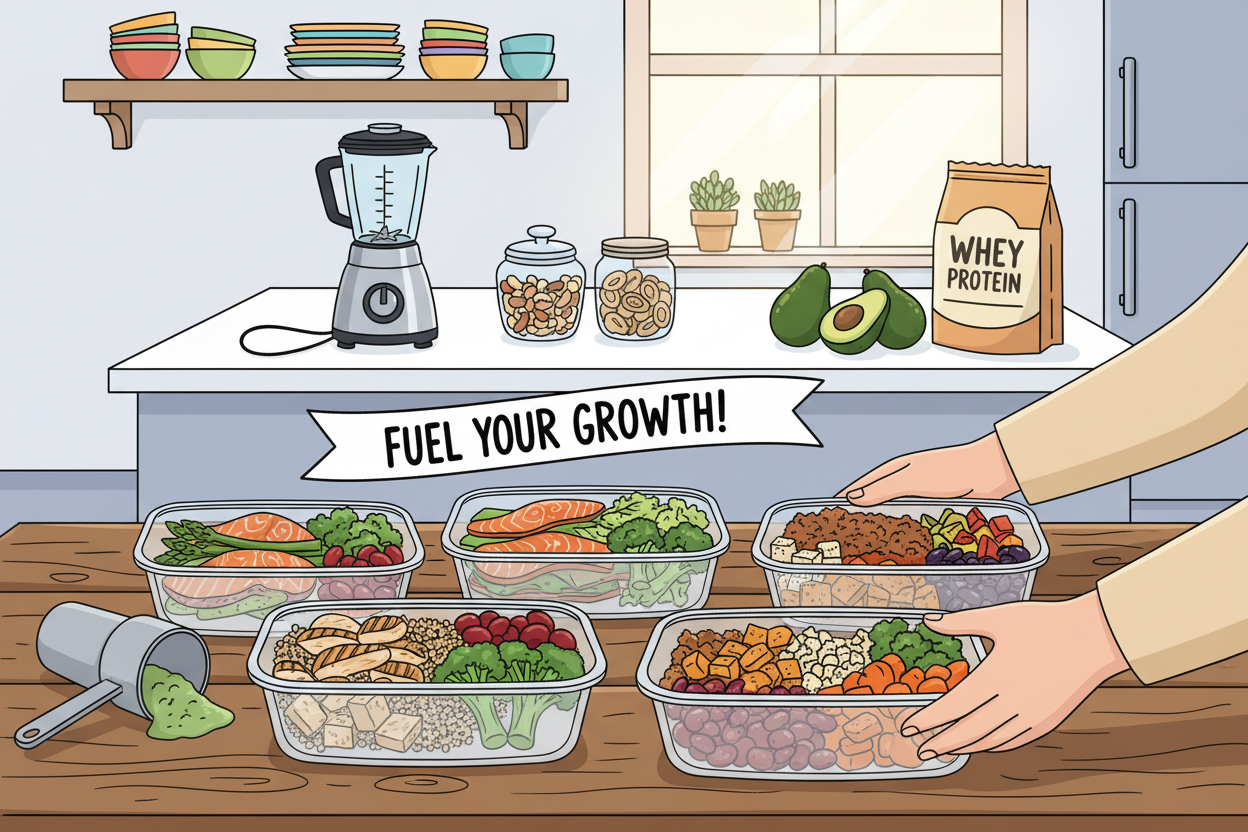
A great weekly plan starts with structure. I build each plate with 7-9 ounces of protein, like chicken breast or beef. I add 1-2 cups of grains, such as brown rice or quinoa, and a full cup of vegetables like spinach.
This combo fuels my body perfectly. I store everything in glass containers to keep it fresh all week.
Planning Weekly Menus
My Sunday session is non-negotiable. I cook big batches of chicken and rice for easy lunches and dinners. Breakfast is simple: Greek yogurt with oats or scrambled eggs.
I always have veggies and healthy snacks ready. Cottage cheese or almonds stop me from grabbing junk. This routine makes eating right automatic and keeps my diet rich.
Customizing Your Meals to Fit Your Goals
Your plan must fit your life. A rigid approach can fail when your schedule changes. A flexible system lets you swap ingredients and stay on track.
| Approach | Best For | Key Action |
|---|---|---|
| Rigid, Fixed Menu | Discipline building, strict phases | Follow the same meals daily |
| Flexible, Template-Based | Long-term sustainability, variety | Swap proteins/grains within your template |
| Goal-Adjusted Portions | Changing calorie needs | Scale rice and oil amounts up or down |
Use olive oil for cooking to add healthy fats. This combo delivers the protein and energy my body needs. A flexible meal plan is my secret weapon.
Adjust your portions based on your training day. This customization keeps your nutrition aligned with your bodybuilding goals.
Smart Grocery Shopping and Bulk Cooking Tips
The secret to consistent nutrition isn’t just cooking; it’s mastering what happens before you even turn on the stove. A smart strategy here saves time, money, and mental energy all week.
Creating a Focused Shopping List
I never walk into the store without a strict list. It’s my plan for success. I focus on whole foods like chicken breast, eggs, and brown rice.
This stops impulse buys and keeps my diet high-quality. I grab frozen vegetables and fresh spinach in bulk. It’s a cost-effective way to support my bodybuilding goals.
Techniques for Efficient Bulk Cooking
My Sunday session is all about efficiency. I roast a big tray of chicken or beef at once. This provides protein for several meals.
I cook large batches of rice and roast sweet potatoes, too. I use olive oil for flavor and healthy fats. This bulk prep ensures I have fuel ready every single day.
Strength training demands consistent fuel. Having enough protein ready supports my recovery and helps build quality muscle. It makes hitting my daily intake effortless.
Incorporating Variety: Breakfast, Lunch, and Dinner Options
Variety isn’t just the spice of life; it’s the secret to sticking with your nutrition plan long-term. I used to eat the same things every day—it made me dread eating. Now, I rotate my options to keep things exciting and my body guessing.
Easy-to-Make Recipe Ideas
Let’s start with the first meal of the day. I love beginning my morning with Greek yogurt and berries for a quick hit of protein. Or, I’ll whip up scrambled eggs with spinach and a side of oats.
For lunch, a chicken breast salad with brown rice is my staple. I add a sprinkle of cheese for extra flavor and healthy fats. Sometimes I swap the chicken for beef or salmon.
My dinner rotation features baked salmon or lean beef with roasted sweet potatoes. I drizzle with olive oil and include a fresh salad or steamed vegetables.
Snacks are simple but effective for extra protein. I grab hard-boiled eggs, cottage cheese, or a quick shake. Having these ready stops poor choices.
| Meal Time | Protein Option | Carb Source | Veggie/Side |
|---|---|---|---|
| Breakfast | Greek Yogurt or Eggs | Oatmeal or Fruit | Spinach |
| Lunch | Chicken Breast or Salmon | Brown Rice or Quinoa | Mixed Salad |
| Dinner | Lean Beef or Fish | Sweet Potatoes | Steamed Broccoli |
| Snack | Cottage Cheese or Hard-Boiled Eggs | — | Fresh Veggie Sticks |
Adding different spices and herbs to your chicken and rice can transform them. I also rotate vegetables like spinach and kale. This variety supports my overall muscle growth and makes eating enjoyable every day.
Special Considerations for Rest and Active Days
Recovery days used to confuse me; I never knew whether to eat more or less to support my goals. I learned that your nutrition needs a smart shift when you’re not training. Your body is repairing itself, not fueling performance.
Getting enough fiber from vegetables and whole grains like brown rice is crucial. It keeps your digestion smooth, especially when you’re eating a lot.
Tailoring Your Intake for Recovery
On my off day, I slightly lower my calorie intake. I keep my protein high to help my body recover. I still enjoy my breakfast, lunch, and dinner.
I might swap a heavy snack for some Greek yogurt and an almond. Drinking water and eating fiber-rich foods supports my system all week.
My meal plan stays consistent. I might use less olive oil or skip extra rice. If I’m sore, I prioritize protein and eggs to aid growth.
| Aspect | Rest Day | Active Day |
|---|---|---|
| Calorie Intake | Slightly reduced | At or above surplus |
| Protein Focus | High for repair | High for repair & energy |
| Carb Source | Moderate (e.g., brown rice) | Higher (e.g., sweet potatoes) |
| Snack Example | Greek yogurt with almond | Chicken and rice |
Remember, recovery is when your strength gains actually happen. Treat your rest days with as much care as your gym days.
Conclusion
You’ve just equipped yourself with the tools to turn your kitchen into a powerhouse for progress. I felt the same shift when I stopped overcomplicating things and trusted the process.
Your consistency is what will turn these new habits into real, visible muscle growth. Stick with your plan, and you’ll hit those goals faster than you think.
Every time you fuel up with a solid meal packed with protein, you’re giving your body exactly what it needs. This is how you build lasting discipline.
If you want to dive deeper, check out our mission to simplify fitness. I’m excited to see where this journey takes you. Keep pushing forward!