


Have you ever wondered what gives you that final burst of energy to crush your last rep? The answer might be simpler than you think, and it starts with the right nutrition.
I’ve been there—listening to all the gym talk about powders and potions. But the real magic often comes from what we eat. This powerful compound plays a key role in fueling your muscles during those tough workouts.
It’s amazing how many folks are now looking to their plates instead of just their supplement jars. You can support your body’s needs with smart, everyday choices.
Let’s explore how to power up your training with delicious, whole-food options. You might be surprised by what’s already in your fridge!
Key Takeaways
- Creatine is a natural substance that helps your muscles produce energy during high-intensity exercise.
- Several common animal-based foods are excellent natural sources of this nutrient.
- Focusing on your diet can effectively support your fitness goals and may lessen the need for extra supplements.
- Consistent, smart nutritional choices contribute directly to better performance and faster recovery.
- You don’t need a complicated routine; small tweaks to your meals can have a major impact.
- Understanding the basics empowers you to make confident decisions about your health.
Understanding Creatine: Its Role and Benefits
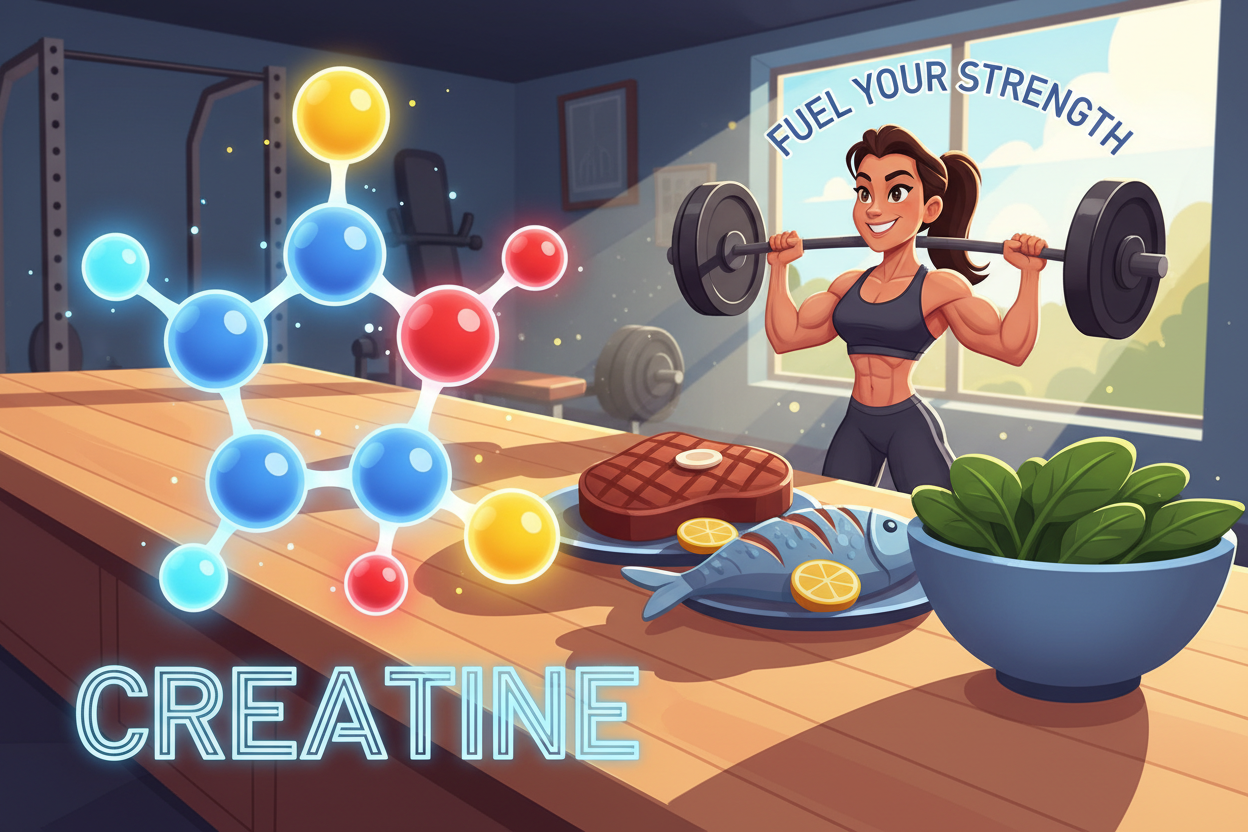
Back in 1832, a French scientist made a discovery that would change how we think about energy and performance forever. This compound is built from three essential amino acids: glycine, arginine, and methionine. Your body cleverly assembles these building blocks into something truly powerful.
How Creatine Fuels Muscle and Brain Function
Once created, this substance helps produce adenosine triphosphate (ATP). Think of ATP as your cells’ immediate energy currency. It’s what fuels explosive movements like sprinting or that final heavy lift.
Most of our stores are found in skeletal tissue, ready for action. But here’s a cool fact—a small amount also resides in your brain. This supports cognitive sharpness and focus during tough workouts or mentally demanding tasks.
The Science Behind Creatine and Exercise Performance
Having adequate levels means your muscles can tap into a rapid power reserve when needed. It’s like having a turbo button for high-intensity efforts. Recent research confirms this benefit extends far beyond the weight room.
Many studies show it plays a vital role in daily cellular energy management. This makes it valuable for anyone with an active lifestyle, not just dedicated athletes. For a deeper dive into performance aids, check out our guide on the best workout supplements available today.
Key Health and Fitness Benefits of Creatine
I used to chase performance gains with complex routines, but the simplest changes often deliver the biggest wins. Getting enough of this compound offers serious advantages, both in the gym and for your overall well-being. Let’s be real—that’s what we’re all after.
Research points to a daily intake of 3-5 grams as a sweet spot for most active people. This simple habit can unlock a powerful range of positive effects.
Enhanced Strength and Recovery
For anyone doing tough workouts, the benefits are clear. Studies show it can boost high-intensity exercise performance by 10-20%. Your muscles can simply work harder and longer.
It’s not just about raw power, though. This nutrient helps dial down inflammation. That means your body bounces back quicker after a brutal session. We also see faster strength regain during injury rehab.
Potential Cognitive and Neuroprotective Effects
Here’s a cool bonus—your brain uses this stuff too. Emerging science suggests it supports cognitive health. It may help reduce mental fog and sharpen your working memory, especially when you’re stressed or tired.
Think of it as an all-around support system. It fuels your body’s explosive moves and helps keep your mind sharp.
| Benefit Type | Key Impact | Supporting Data |
|---|---|---|
| Strength & Performance | Boosts power output for short, intense efforts. | Up to 20% improvement in high-intensity exercise. |
| Recovery & Health | Speeds muscle repair and reduces inflammation. | Linked to faster strength regain post-injury. |
| Cognitive | May improve mental clarity and memory under stress. | Emerging research on neuroprotective effects. |
| Daily Guidance | Optimal intake for active individuals. | 3-5 grams per day is commonly recommended. |
Foods High in Creatine Naturally: A Closer Look
I remember staring at nutrition labels, confused about how to track this crucial nutrient for my training. The numbers for protein and carbs were clear, but one key player was always missing.
Since there’s no official recommended daily amount, we turn to animal-based options as our primary dietary source. Your body gets what it needs from what you eat.
It’s a common hurdle—nutrition facts panels don’t list creatine content. You have to lean on research to know which picks are best.
The great part? Focusing on these specific items gives you a bonus. You also load up on protein, iron, and other nutrients that support your goals.
I keep a straightforward list. It makes managing your daily intake simple and takes the guesswork out of meal prep. Here’s a data-driven guide to the top sources.
| Food Item | Approximate Creatine Content (per 3oz serving) | Key Co-Nutrients |
|---|---|---|
| Beef Steak | ~2 grams | High-quality protein, iron, B vitamins |
| Herring | ~1.5 grams | Omega-3 fatty acids, vitamin D |
| Pork Chop | ~1 gram | Protein, zinc, selenium |
| Chicken Breast | ~0.5 grams | Lean protein, niacin, phosphorus |
Red Meat: A Powerful Creatine Source
Grilling up some beef or pork isn’t just about taste; it’s strategic fueling. I rely on these staples to deliver a solid dose of the muscle-supporting compound I need. They are foundational for anyone looking to boost their stores through diet.
Exploring Beef and Pork Options
Beef is a fantastic choice. A standard 4-ounce portion gives you around 0.5 grams of creatine. You also grab about 25 grams of protein to aid muscle building.
Pork is another powerhouse. That same 4-ounce serving packs roughly 0.58 grams. It brings a healthy dose of vitamin B12 for your nervous system too.
Nutritional Considerations and Serving Sizes
Choosing lean cuts is smart. Go for sirloin or top round beef. This way, you get the benefits without excessive saturated fat.
I love grilling pork loin for an easy meal. It keeps my prep quick and manageable. Remember, how you cook matters.
Overcooking can reduce the valuable content. Aim for medium-rare to preserve more of those grams per serving.
| Meat Type | Serving (4 oz) | Creatine (grams) | Key Nutrients | Best Cooking Method |
|---|---|---|---|---|
| Beef (Lean Cut) | 1 serving | ~0.5 grams | High-quality protein, Iron | Grill to medium-rare |
| Pork (Loin) | 1 serving | ~0.58 grams | Protein, Vitamin B12 | Grill or roast |
Focusing on these options turns your dinner into a performance tool. It’s a simple, effective way to support your training goals.
Seafood Choices Rich in Creatine
Ever feel like you’re running on empty during a tough set? The solution might be swimming in your local market. The ocean delivers some of the most potent natural sources for fueling your muscles.
I love how versatile these options are. They fit into quick lunches or hearty dinners with ease.
Fish Varieties: Herring, Salmon, and Tuna
Herring tops my list for sheer power. A single 4-ounce serving packs a solid 1 gram of this muscle-supporting compound. It’s perfect for a fast, energizing snack.
Salmon is a weekly staple on my plate. That same portion gives you about 0.5 grams. You also grab a huge dose of heart-healthy omega-3 fatty acids.
Don’t overlook tuna for busy days. Whether canned or fresh, a 4-ounce steak offers roughly 0.45 grams. It’s incredibly convenient when time is short.
These picks deliver essential nutrients many folks miss. Think vitamin D for bone health and selenium for antioxidant support.
| Fish Type | Serving Size | Creatine Content | Key Nutrients | Convenience Tip |
|---|---|---|---|---|
| Herring | 4 oz | ~1 gram | Omega-3s, Vitamin D | Great as a quick, pickled snack |
| Salmon | 4 oz | ~0.5 grams | Omega-3s, Protein | Grill a batch for weekly meals |
| Tuna | 4 oz | ~0.45 grams | Protein, Selenium | Keep canned versions in your pantry |
Poultry and Other Meats Contributing to Creatine Stores
Let’s talk about the unsung heroes of the protein world—poultry and other everyday meats. They might not get the same hype as a fancy steak, but they’re workhorses for maintaining your body’s natural creatine levels.
Chicken Options and Bone Broth Benefits
Chicken is a reliable choice for your daily rotation. A 4-ounce serving delivers roughly 0.46 grams per serving of this key compound. You also grab a solid 25.4 grams of lean protein to aid recovery.
When you cook poultry, try to save the juices or make a pan sauce. Some of the creatine content leaches into the liquid during cooking.
Bone broth is another secret weapon for your creatine stores. Simmering bones for hours helps extract those essential nutrients into the soup base.
I find that a big pot of chicken noodle soup is perfect. It keeps you hydrated and nourished while supporting muscle recovery goals.
By including these options, you ensure a steady supply of the building blocks your body needs.
Integrating Creatine-Rich Foods into Your Diet
Knowing which items to eat is one thing; weaving them seamlessly into your week is where the real progress happens. I focus on building simple, sustainable habits that support my training without feeling like a chore.
Simple Meal Planning Tips
My best tip is to rotate your protein sources. I might have salmon on Monday, a beef stir-fry on Wednesday, and grilled chicken on Friday. This keeps meals exciting and ensures a varied intake of essential nutrients.
You don’t need to overcomplicate your plate. Just aim for a palm-sized portion of these powerhouse items at most main meals. This simple visual guide takes all the guesswork out of portion control.
Balancing Protein, Amino Acids, and Nutrients
I love to pair my main dish with a side like quinoa or lentils. These provide the amino acids my body uses to produce its own creatine. It’s a smart way to support your body’s natural processes.
Always balance your intake with plenty of colorful vegetables. They deliver the fiber and vitamins that are crucial for overall health. This creates a complete, nourishing plate that fuels performance and recovery.
Consistency is the true key. Find a few recipes you genuinely enjoy and make them regulars in your routine. That’s how you build a diet that works for the long haul.
Understanding Daily Creatine Requirements
Dialing in your daily intake is the final step to unlocking consistent energy and strength gains.
Let’s break down what your muscles truly need to stay fueled and ready.
How Much Creatine Does Your Body Need?
Your system is pretty smart. It makes about 1 to 2 grams of this compound on its own every single day.
That’s a great start. But if you’re active and training hard, research shows you often need more.
Active people need extra to fully top off their muscle stores. This supports peak performance and faster recovery.
Diet Versus Supplementation: Practical Guidance
You could try to get all 5 grams from your meals. But that would mean eating over 2 pounds of steak!
That’s not practical or healthy for your body in the long run. This is where smart supplementation becomes a powerful tool.
If you choose a product, go for quality. Look for 99.9% pure German creatine monohydrate. It’s a trusted, effective form.
Always chat with your doctor first, especially if you have any concerns about your kidney or liver health. For a great starting point, check out our guide to the best creatine supplements for beginners.
| Aspect | Key Detail | Practical Takeaway |
|---|---|---|
| Natural Production | Your body makes 1-2 grams daily. | A good baseline, but often insufficient for athletes. |
| Dietary Challenge | Getting 5 grams requires ~1kg of steak. | Impractical for daily nutrition and overall health. |
| Supplement Solution | High-quality monohydrate fills the gap. | An efficient, research-backed way to meet elevated needs. |
Innovative Recipes and Preparation Ideas
Transforming your kitchen into a performance lab is easier than you think. I love getting creative with simple ingredients to fuel my body better. Focusing on creatine-rich items doesn’t require fancy recipes.
Quick Meal Ideas to Boost Creatine Intake
Need a fast lunch? Swap mayo for Greek yogurt in a tuna salad. It adds extra protein and creaminess while supporting your daily intake.
For dinner, sear a salmon filet. Serve it over spinach and pumpkin seeds. You’ll get a massive hit of energy-boosting nutrients that aid muscle recovery.
I also make meatballs with ground beef and pork. This mix gives variety in one delicious, easy-to-prep meal.
Adapting Traditional Dishes for Healthier Results
Feeling adventurous? Add spirulina to your morning smoothie. It contains amino acids your body uses to synthesize its own creatine.
These simple adaptations let you enjoy classic dishes. Your muscle gets the fuel it needs for peak performance. I view a supplement as a tool, not a replacement for whole foods.
Conclusion
Wrapping up our journey, I’m reminded that true progress often comes from mastering the basics. We’ve explored how to boost your creatine levels through smart dietary choices like beef, fish, and chicken. These picks directly support your overall health and fitness goals.
Sure, supplements can be a convenient tool. But building your foundation on a balanced diet is crucial for lasting success. It’s the best way to fuel sustainable strength and peak performance.
Listen to your body—it’s unique. Adjust your intake based on your specific training and recovery needs. That’s how you personalize your path.
I hope this guide empowers you to crush your goals with the right fuel. Let’s keep pushing forward together. Every small, consistent change we make adds up to massive results over time.