


Ever stare at your plate and wonder if you’re truly giving your body what it needs to thrive? I’ve been there—feeling that nagging uncertainty about how to eat more protein daily without turning meals into a complicated science project.
Let’s clear the air right now. This essential nutrient isn’t just for bodybuilders; it’s the fundamental building block for everything from our muscles and bones to our skin and blood. Making it a consistent part of your diet is one of the most powerful commitments you can make to your long-term health.
I used to think major overhauls were necessary, but I’ve learned that tiny, sustainable tweaks create the biggest waves. We’re going to cut through the noise and focus on what actually works—simple strategies that fit into real life.
By building better habits, like those discussed in our guide to daily habits that boost muscle growth and, we set ourselves up for success. This isn’t about perfection; it’s about progress that leaves you feeling stronger, more energized, and ready to crush your day.
Key Takeaways
- Protein is a crucial building block for muscles, bones, skin, and blood, essential for everyone’s health.
- Small, consistent changes to your routine are more effective than drastic diet overhauls.
- Prioritizing this nutrient supports long-term wellness and better overall health outcomes.
- Simple strategies exist that can easily fit into your existing daily schedule.
- Building sustainable habits is key to maintaining progress without feeling overwhelmed.
- Focusing on protein intake can lead to increased energy and strength throughout your day.
- The journey is about consistent progress, not achieving perfection overnight.
Why Protein Is Essential for Your Body
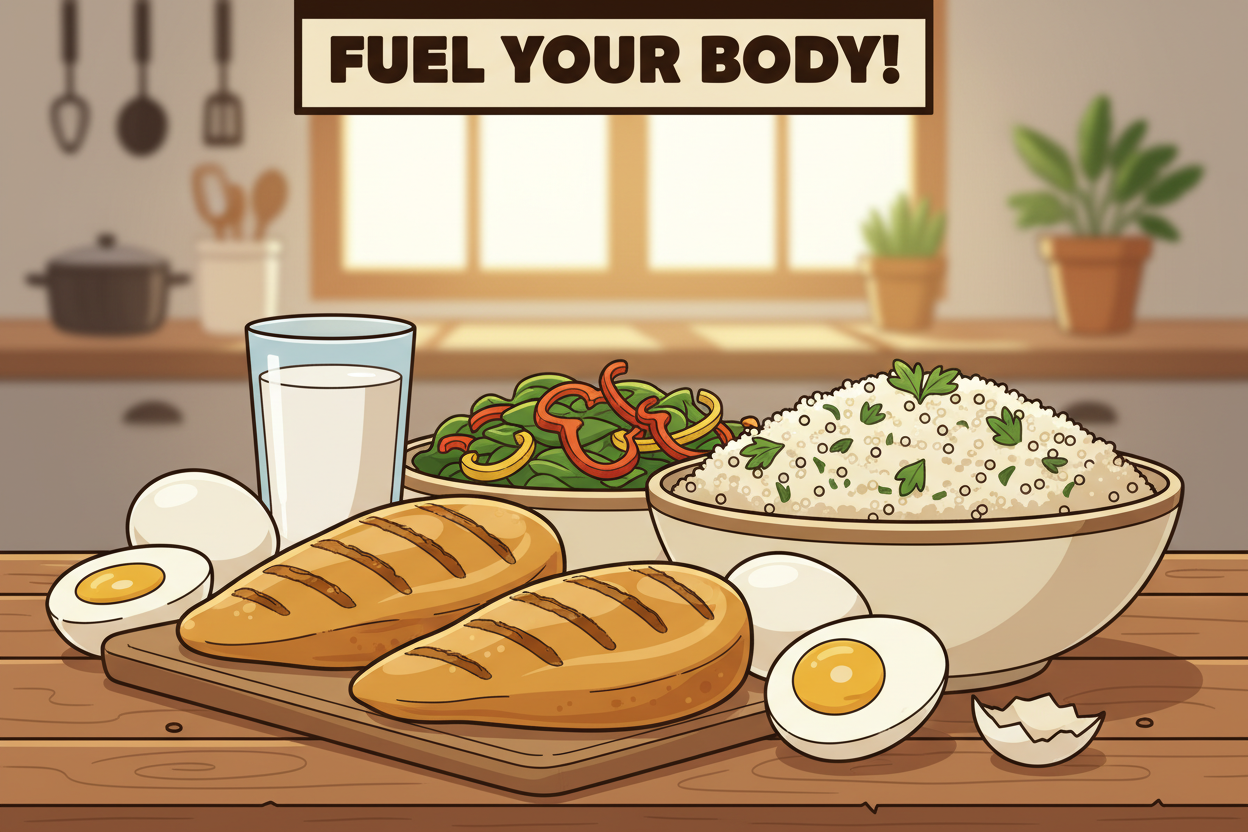
Think of your body as a constantly renovating house—protein is the lumber, nails, and drywall that keeps everything standing strong. This vital nutrient constructs your bones, cartilage, muscle, blood, and skin. It even forms enzymes, hormones, and vitamins. Without it, our basic biological architecture would simply crumble.
The Building Blocks of Health
I’ve learned that our systems rely on this macronutrient to build and repair essential tissues daily. It’s not just about muscle. This nutrient plays a critical role in processes like blood clotting, fluid balance, and maintaining a robust immune response. Think of it as your body’s maintenance crew, working around the clock.
Understanding Key Nutrients
These structures are made of smaller units called amino acids. These are the primary building blocks for every system. By focusing on these key nutrients, we supply the raw materials for growth and development. I want us to see this foundation as crucial for our long-term physical well-being, not just a fitness supplement.
Rethinking Your Daily Protein Goals
Let’s get personal for a moment—your ideal protein intake is uniquely tied to your body. Generic advice often misses the mark. I’ve found that using a simple formula creates a clear, personalized target.
The standard recommendation is 0.8 grams of this nutrient per kilogram of your body weight. That’s about 0.36 grams per pound. This number gives you a solid baseline for daily needs.
For example, someone weighing 165 pounds aims for roughly 60 grams of protein each day. If you weigh 145 pounds, your target is around 52 grams. These amounts support your body’s essential repair and maintenance.
It’s crucial to remember this is just a starting point. Your activity level, age, and specific health goals all influence your requirements. The numbers aren’t rigid rules—they’re a foundation.
I encourage you to see this calculation as your personal launchpad. Use it to build awareness and then adjust based on how you feel. Crushing your wellness goals begins with knowing your own unique needs.
how to eat more protein daily
Let’s shift our focus from a single ‘protein moment’ to a whole-day strategy that works. I learned this the hard way after trying to cram all my protein into dinner. It left me feeling uneven and tired.
Spreading your intake is the real game-changer. Our bodies thrive on consistency.
Simple, Actionable Tips
Research shows muscles use about 20-30 grams at one time. Going beyond that doesn’t give extra benefits. This fact changed my entire approach.
I now aim for 20-30 grams per meal. For snacks, I target 10-15 grams. This keeps my engine running smoothly.
Think of it as fueling your system steadily. You avoid big crashes and support repair all day long.
| Meal Time | Protein Target | Example Foods |
|---|---|---|
| Breakfast | 20-30g | Greek yogurt, eggs, protein shake |
| Lunch | 20-30g | Grilled chicken, lentils, tofu |
| Dinner | 20-30g | Salmon, quinoa, black beans |
| Snack | 10-15g | Cottage cheese, almonds, edamame |
Incorporating Protein Throughout the Day
This method keeps amino acid levels steady. Different amino acids compete for absorption. Variety in your sources ensures you get them all.
By planning this way, you support muscle repair effectively. Your energy stays consistent from morning until night.
Breaking your goal into smaller parts makes it manageable. Every meal and snack becomes an opportunity. You’ll find hitting your target feels effortless.
Diverse Sources of High-Quality Protein
Unlocking a diverse protein palette transformed my meals from boring to brilliant. I used to rely on the same few foods, but exploring different sources changed everything. Variety is the spice of life—and the foundation of a truly nourishing diet.
Animal-Based vs. Plant-Based Options
You have two fantastic paths to choose from. Animal-based sources include lean meats, fish, eggs, and dairy. Plant-based powerhouses feature beans, lentils, peas, nuts, and seeds.
Both categories offer excellent nutrition. The best approach is to enjoy a mix that fits your lifestyle and preferences.
Complete and Incomplete Proteins Explained
Complete proteins contain all nine essential amino acids our bodies need. Most animal foods are complete. Many plant foods are incomplete, missing one or more amino acids.
But don’t worry! Combining different plant foods throughout the day solves this. Quinoa is a superstar—it’s a complete plant protein with about 8 grams per cooked cup.
Tofu is another versatile staple. Just one-quarter cup packs around 7 grams of protein. Mixing up your foods ensures you get a wide range of vitamins and minerals too.
Simple Swaps to Boost Protein Intake
Transforming your plate doesn’t require a complete kitchen overhaul—sometimes, it’s all about the swap. I used to get bored with my meals until I discovered this trick. Upgrading your favorite dishes can be incredibly simple.
I started by making one change at a time. Swapping white rice for quinoa was my first win. This single shift added a solid punch of protein to my bowl.
Greek yogurt is another fantastic stand-in for regular yogurt or sour cream. Chickpea pasta noodles are a game-changer for dinner. These alternatives pack more essential nutrients into every bite.
Choosing higher-protein ingredients improves the overall quality of your diet. You naturally hit your targets without tracking every gram. It’s a sustainable way to support your body.
Even tiny adjustments make a difference. Toss some extra beans into a soup or sprinkle a bit of cheese on a salad. These moves add up quickly and keep you on track.
High-Protein Breakfast Ideas
Morning fuel sets the tone for your entire day—I discovered that the hard way after too many sluggish starts. Prioritizing a solid breakfast transformed my energy and focus.
Eggs, Dairy, and More
I love starting with eggs. They are versatile and packed with nutrition. Greek yogurt and cottage cheese are my go-to dairy staples for a quick, satisfying meal.
Adding a glass of milk or a sprinkle of cheese boosts your intake effortlessly. These animal-based options deliver high-quality protein to kickstart your morning.
Plant-Based Morning Options
For a plant-powered start, try tofu scramble or tempeh. Soy products provide excellent fuel. A protein smoothie with nuts and seeds is another fantastic choice.
Turkey bacon is a lean option if you include poultry. Mixing these foods ensures a delicious and varied plate.
| Breakfast Option | Approximate Protein | Key Ingredients |
|---|---|---|
| Scrambled Eggs | 12-15g | 3 eggs, spinach, cheese |
| Greek Yogurt Bowl | 15-20g | Greek yogurt, berries, almonds |
| Tofu Scramble | 10-12g | Tofu, turmeric, peppers, onions |
| Protein Smoothie | 20-25g | Protein powder, milk, banana, peanut butter |
This variety keeps breakfast exciting and supports your body all morning long. You’ll feel ready to tackle anything!
Protein-Rich Lunch and Dinner Options
I used to dread meal planning until I discovered a handful of reliable staples that make dinner a breeze. My strategy now focuses on lean meats like chicken, turkey, and beef. They deliver high-quality protein along with essential iron and zinc.
Never underestimate the power of fish. Salmon, tuna, and mackerel are my favorites—they’re packed with protein and those crucial omega-3 fatty acids for heart health.
On plant-powered days, I load up on beans, lentils, and peas. These gems are full of fiber and potassium. They add so much substance to any meal.
Here’s my rule: I always fill my plate with the protein portion first. This tiny shift guarantees I hit my target. With a stocked kitchen, creating a balanced, satisfying dinner feels effortless every single night.
Healthy Protein Snacks and Supplements
Having a stash of smart snacks completely changed my relationship with midday hunger. When life gets hectic, it’s easy to grab anything. I learned that planning ahead with the right tools keeps my energy steady and my goals on track.
Snack Options on the Go
I always keep a few portable powerhouses in my bag. A handful of nuts and seeds is my classic go-to. A few slices of cheese or a single-serving cup of Greek yogurt also work perfectly.
These whole-food choices ensure my protein intake doesn’t dip. They’re satisfying and prevent that afternoon crash. It’s a simple habit that pays off all day long.
Integrating Supplements Wisely
Sometimes, whole foods aren’t convenient. That’s where smart supplements come in. A quality protein bar or shake can be a lifesaver when I’m rushing.
I love adding collagen peptides to my morning coffee—it’s flavorless and adds a solid 18-20 grams. Powders like whey or soy blend easily into a smoothie if I need an extra boost.
Remember, these are tools to bridge a gap, not replace real food. They help me stay consistent, especially on my busiest days.
Meal Prepping Strategies for Protein
I used to think meal prepping was a chore reserved for fitness fanatics—until it became my secret weapon for consistency. Now, I dedicate a couple of hours each Sunday to prepare my core protein sources.
This simple act makes my entire week run smoother. When I have cooked chicken, seasoned beans, or baked tofu ready in the fridge, I’m far less tempted by takeout. It’s a game-changer for my diet and overall health.
Even on exhausting days, a balanced meal is just minutes away. This reliability is a huge win for anyone juggling a busy schedule.
Here’s a snapshot of my typical Sunday prep. It keeps me on track without any stress.
| Protein Source | Preparation Method | Meals It Covers | Protein per Serving |
|---|---|---|---|
| Chicken Breast | Grilled | Salads & Wraps | 30g |
| Black Beans | Cooked | Bowls & Soups | 15g |
| Tofu | Baked | Stir-fries & Scrambles | 10g |
| Hard-Boiled Eggs | Peeled | Snacks & Salads | 6g each |
This system supports my fitness goals effortlessly. It’s a practical step that aligns with any training focus, like those outlined in our cutting cycle workout plan.
I encourage you to try it. Spending a little time upfront guarantees your success and keeps you feeling strong all week long.
Understanding Essential Amino Acids
Let’s crack the code on what makes a protein ‘complete’ and why mixing things up is your best strategy. I used to just focus on grams, but the real magic happens at the microscopic level. Our bodies need twenty different amino acids to function.
Nine of these are called essential amino acids. We must get them directly from the foods we consume. These specific amino acids are the non-negotiable building blocks for health.
Complete Versus Incomplete Proteins
Foods that contain all nine essential amino acids are labeled complete. These typically come from animal sources. Soy and quinoa are standout plant-based complete proteins.
Most other plant foods are considered incomplete. They lack one or more of those crucial essential amino acids. This isn’t a flaw—it’s a call for creativity in your meals.
Why Variety Matters
I make sure to eat a wide variety of plant-based proteins throughout my day. By combining different sources, I guarantee my body gets all the essential amino acids it needs. Beans with rice or hummus with whole-grain pita are classic combos.
Understanding this difference helps us make smarter choices. We give our bodies the exact building blocks required to thrive. Mixing up your sources ensures you cover all bases.
Protein Intake for Fitness and Recovery
Pushing your limits in the gym is only half the battle—what you do afterward determines your real gains. I used to think soreness was just part of the deal, but then I learned how targeted nutrition transforms recovery. This approach supports your body’s repair process and fuels future performance.
Supporting Muscle Growth
When we exercise, our muscle fibers experience tiny tears. Consuming adequate protein intake is crucial to mend this damage and build new tissue. This is how we develop strength and endurance over time.
For those over 50, this becomes even more vital. Research suggests aiming for one gram per kilogram of body weight helps preserve muscle mass. This adjustment combats natural age-related decline.
Plant-based sources offer surprising benefits too. One study found that replacing 5% of carb calories with plant protein was linked to a 26% lower dementia risk. This shows how our dietary choices impact long-term health beyond the gym.
Post-Workout Nutrition Tips
I prioritize a balanced meal or snack within an hour after training. This habit helps me bounce back faster and feel resilient. Consistency here makes a noticeable difference in my energy levels.
Whether your focus is weight loss or gaining muscle, a diet richer in this nutrient is a powerful ally. It supports satiety during calorie deficits and provides the raw materials for growth. Pairing smart training with intelligent fueling creates sustainable progress.
Adapting Protein Intake for Aging and Activity
Our bodies aren’t static machines—they evolve with every birthday and every workout, demanding a nutrition plan that adapts right alongside them. I learned this the hard way when my old routines stopped working. Your needs for this key nutrient shift with your activity level and during special times like pregnancy.
As we get older, maintaining our strength becomes a top priority. After the age of 50, preserving muscle mass is crucial for staying active and independent. I always remind myself that my requirements change with time.
Major life events demand more fuel. During pregnancy, women need to increase their protein to support a baby’s healthy growth. The same goes for breastfeeding—it’s a time to nourish both yourself and your child.
Your training schedule is another huge factor. On heavy lifting days, I consciously adjust my intake. Listening to your body’s signals is the smartest strategy you can adopt.
By staying flexible, we give our bodies the support they need for years to come. This approach helps protect muscle and overall lean mass. It’s about fueling your unique journey, one day at a time.
Balancing Protein with Other Nutrients
Focusing solely on protein is like tuning only one instrument in an orchestra. I learned this after months of tracking grams while feeling off. Every food brings a whole package of fats, carbs, vitamins, and minerals to the table.
It’s easy to get hyper-focused on one macronutrient. A truly healthy diet requires harmony between all three for optimal function.
Creating a Well-Rounded Plate
I always consider the complete nutrient profile. Processed meats often pack hidden sodium and added sugar. I opt for whole foods like grilled chicken or lentils instead.
These choices deliver a better mix of essential nutrients. They support my body without unwanted additives.
By looking at the big picture, I fuel myself with the right balance. This approach ensures my overall diet is rich in variety, not just one thing.
Potential Risks of Excess Protein Consumption
We often hear ‘more protein is better,’ but is there a point where it becomes too much of a good thing? I’ve asked myself that when pushing my intake.
For most people, exceeding 2 grams per kilogram of body weight isn’t necessary. That’s roughly 125 grams daily for someone weighing 140 pounds.
Consuming much protein beyond this range can strain your system. I’m careful because a diet heavy in animal sources may increase the risk of kidney stones.
It also creates imbalance. Focusing solely on this nutrient often means neglecting healthy fats and carbs. This dietary imbalance is a real risk for people who overlook other nutrients.
More isn’t always better for your health. A balanced approach supports long-term wellness. I aim for moderation to protect my health and avoid overloading on any single thing.
Remember, your body thrives on harmony. Too much protein can disrupt that balance and undermine your goals.
Practical Tips to Incorporate More Protein Every Day
For busy people, locking in meal times is the ultimate hack for staying on track with protein goals. I learned this after years of erratic eating. Being proactive about your health and diet ensures you’re living well for years to come.
Establishing Consistent Meal Patterns
I found that setting regular eating windows makes hitting targets effortless. Your body thrives on routine. This approach supports your day-to-day energy and long-term health, ensuring adequate protein for your needs.
Many people struggle with inconsistent meals. A structured plan removes the guesswork. It empowers you to take control of your nutrition.
| Meal Time | Protein Focus | Simple Option |
|---|---|---|
| 7:00 AM | 20g | Greek yogurt with nuts |
| 12:30 PM | 25g | Grilled chicken salad |
| 6:00 PM | 30g | Salmon with quinoa |
| 3:00 PM Snack | 15g | Cottage cheese cup |
If you’re unsure, consult a registered dietitian. Every small step towards a better diet is a win. Your overall health and well-being will thank you.
Conclusion
Remember, the goal isn’t perfection; it’s consistent progress toward a stronger, more energized you. We’ve seen how vital protein is for your entire body, from maintaining muscle mass to boosting overall health.
I hope you feel empowered to adjust your diet with simple, sustainable habits. Your ideal protein intake is as unique as you are.
Focus on a diverse mix of high-quality sources. This approach ensures your diet delivers all the essential building blocks.
Let’s keep supporting each other on this path to lifelong wellness. Every mindful choice adds up!