
If you’re looking to boost your gym performance, creatine is likely on your supplement radar. But with different forms available, the creatine HCL vs monohydrate debate can leave many lifters confused about which to choose. Both types can enhance your strength and muscle gains, but they differ in key ways that might make one better suited for your specific needs.
We’ll break down the differences between these popular creatine forms, examine the science behind each, and help you decide which one deserves a spot in your supplement stack. Whether you’re concerned about stomach comfort, effectiveness, or budget, you’ll find clear answers to make the right choice for your fitness journey.
What Is Creatine and Why Does It Matter?
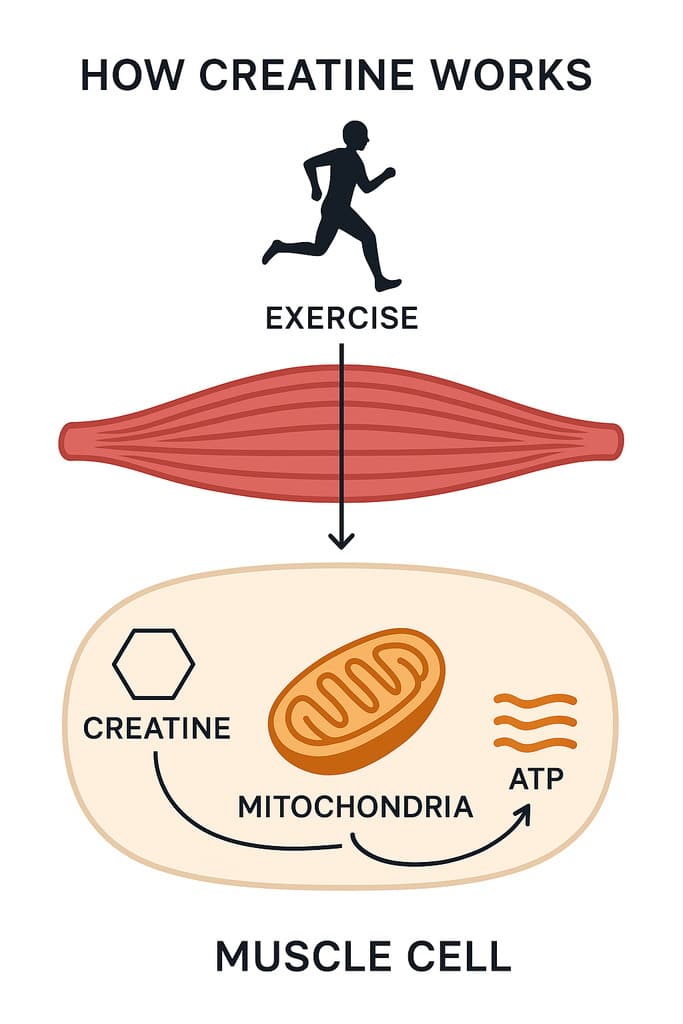
Creatine is a naturally occurring compound that your body produces in small amounts. It’s stored primarily in your muscles as phosphocreatine and plays a crucial role in producing energy during high-intensity, short-duration activities like weightlifting and sprinting.
When you exercise intensely, your muscles use adenosine triphosphate (ATP) for energy. As ATP gets depleted, creatine steps in by donating a phosphate group to quickly regenerate ATP, allowing you to maintain higher intensity for longer periods. This translates to more reps, heavier weights, and better overall performance.
While your body naturally produces about 1-2 grams of creatine daily and you get some from foods like meat and fish, supplementation can significantly increase your muscle creatine stores. This is why creatine has become one of the most researched and proven supplements for enhancing strength, power, and muscle growth.
Creatine HCL vs Monohydrate: Key Differences
| Feature | Creatine Monohydrate | Creatine HCL |
| Solubility | Lower – may leave some grittiness in liquids | Higher – dissolves more easily (up to 38x more soluble) |
| Bloating/Water Retention | Some users report mild bloating | Less likely to cause bloating |
| Typical Dose | 3-5g daily (may include loading phase) | 1.5-2g daily (no loading phase needed) |
| Cost Per Serving | Lower ($0.10-$0.30 per serving) | Higher ($0.50-$1.00 per serving) |
| Research Backing | Extensive (hundreds of studies) | Limited (fewer studies) |
| Effectiveness | Well-established benefits | Similar benefits to monohydrate in limited studies |
Creatine Monohydrate: The Proven Classic
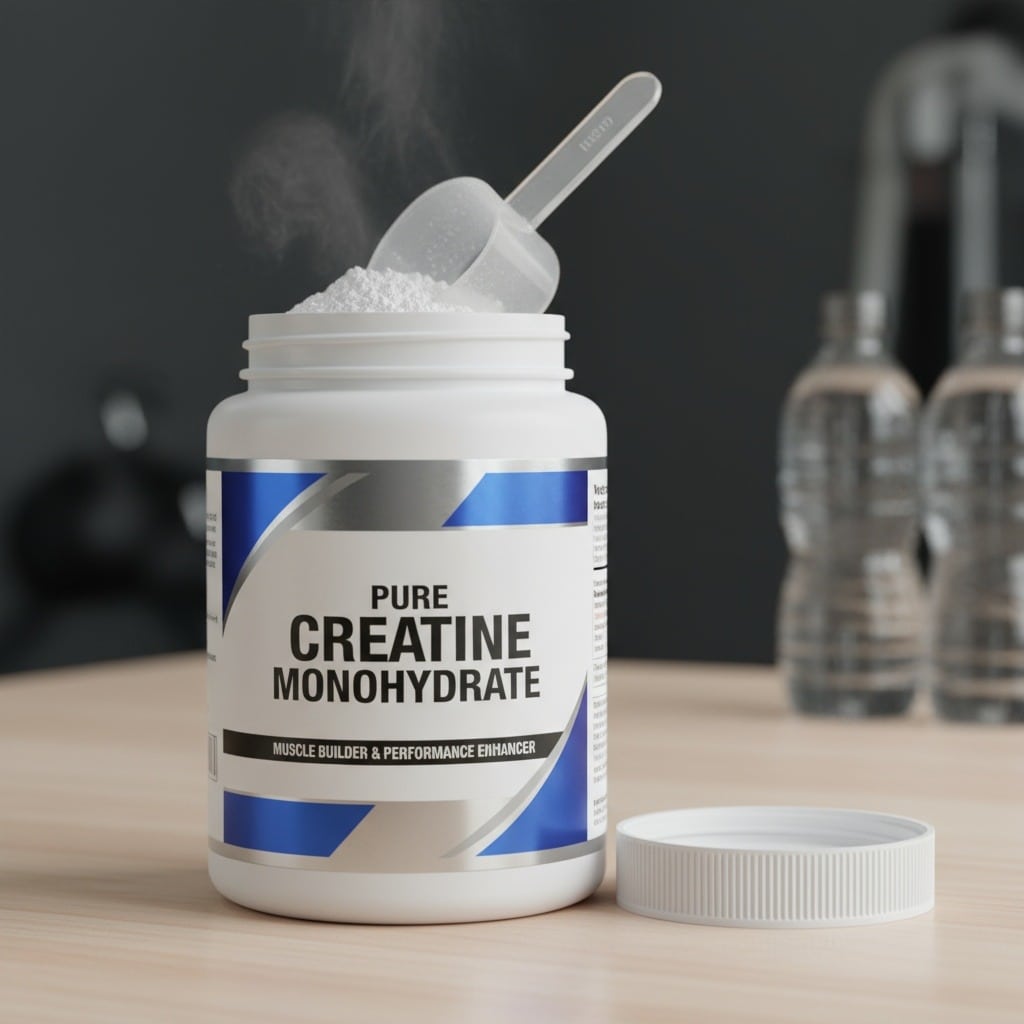
Creatine monohydrate is the most researched and widely used form of creatine, consisting of a creatine molecule bound to a water molecule. With decades of scientific backing, it’s considered the gold standard in creatine supplementation.
Benefits of Creatine Monohydrate
Who Should Use Creatine Monohydrate?
Creatine monohydrate is ideal for:
- Budget-conscious lifters who want the most bang for their buck
- Those who prioritize scientific evidence and proven results
- Most gym-goers who don’t experience digestive issues with supplements
- Athletes looking for reliable performance enhancement
The typical protocol involves either a loading phase (20g daily for 5-7 days, split into 4 doses) followed by a maintenance phase (3-5g daily), or simply starting with the maintenance dose. Either approach will fully saturate your muscles with creatine, though the loading phase achieves this more quickly.
Creatine HCL: The Soluble Alternative
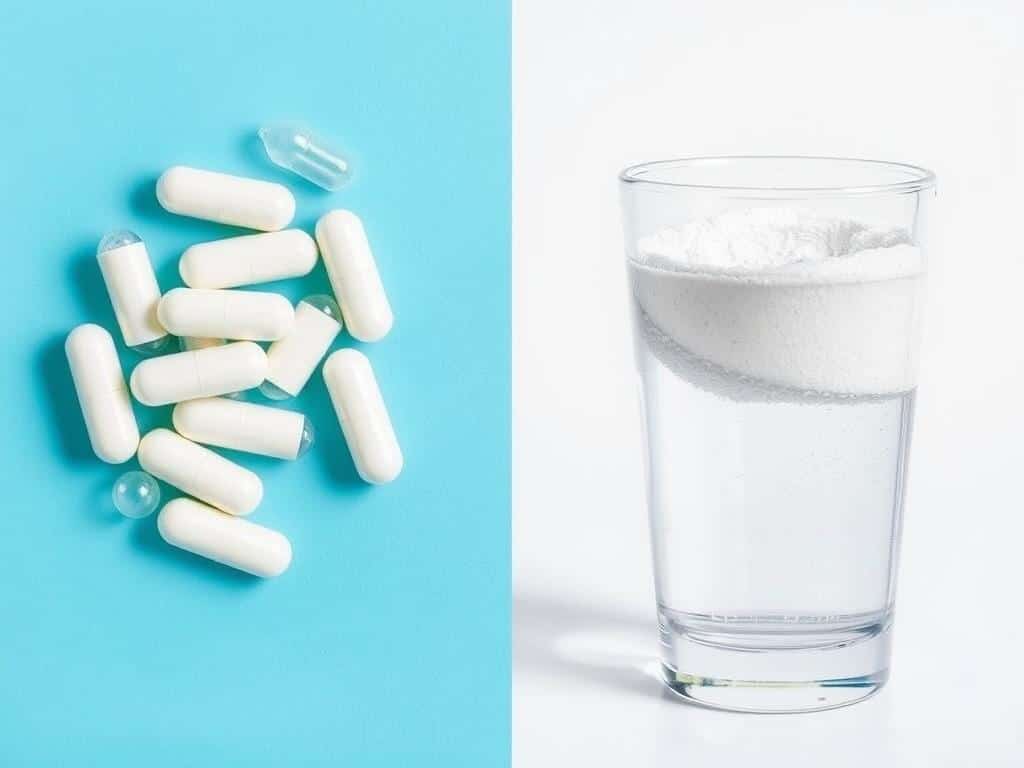
Creatine hydrochloride (HCL) is a newer form where creatine is bound to a hydrochloride group. This molecular structure gives it significantly higher water solubility—up to 38 times more soluble than monohydrate—which manufacturers claim leads to better absorption and fewer side effects.
Benefits of Creatine HCL
Who Should Use Creatine HCL?
Creatine HCL is best suited for:
- Those who experience digestive discomfort with monohydrate
- People concerned about water retention or bloating
- Individuals who prefer smaller, more convenient doses
- Those who don’t mind paying more for potential comfort benefits
While research on creatine HCL is more limited than monohydrate, early studies suggest it provides similar performance benefits. The main advantages come from its improved solubility and potentially better tolerability for some users.
Top Creatine Monohydrate (Powders) Products for 2025
1. Optimum Nutrition Micronized Creatine
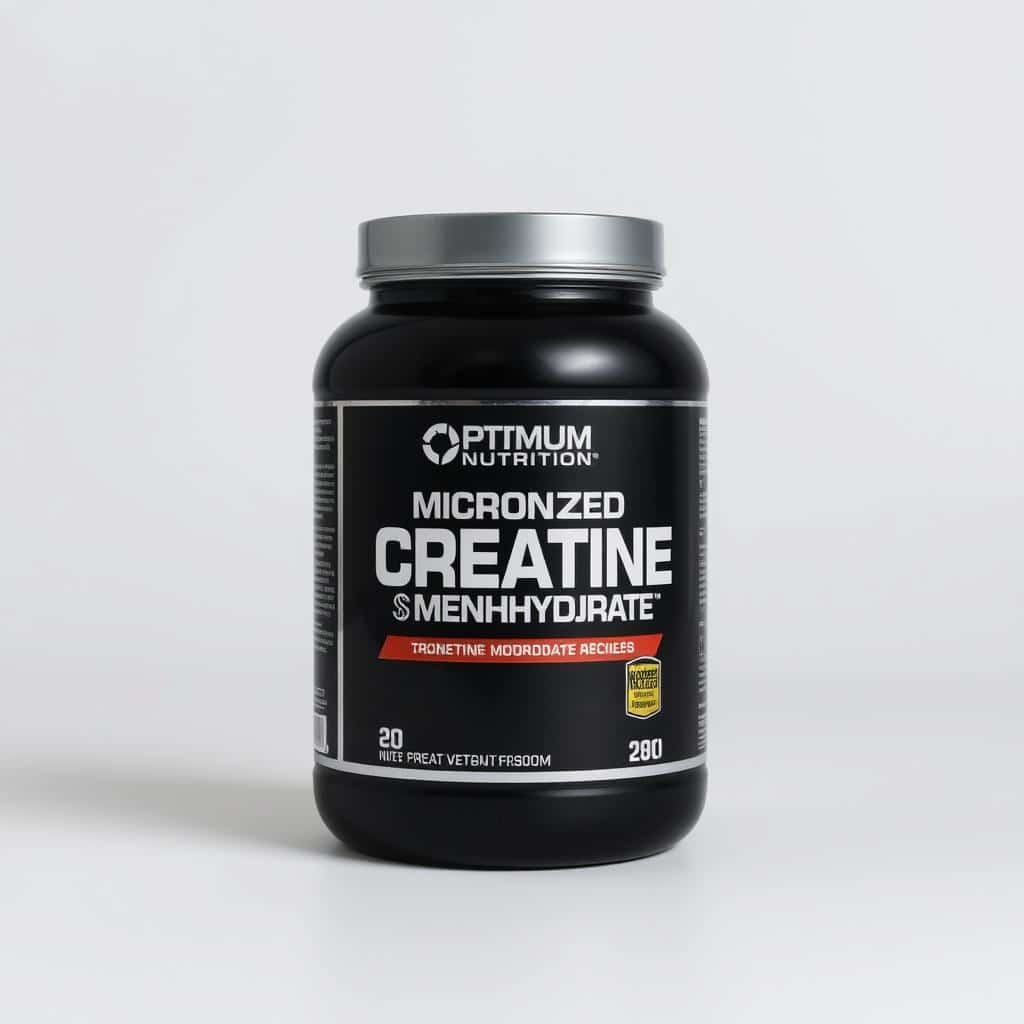
Optimum Nutrition’s Micronized Creatine Monohydrate is one of the most trusted and widely used creatine supplements in 2025. The micronized formula means the creatine particles are made smaller, improving mixability and reducing the gritty texture that can occur with standard creatine monohydrate.
Pros
- Micronized for better mixability
- Unflavored – can be added to any drink
- 5g pure creatine per serving
- No fillers or additives
- Trusted brand with consistent quality
Cons
- Slightly more expensive than basic monohydrate
- May still cause mild bloating in sensitive individuals
- Unflavored can be bland for some users
2. Bulk Supplements Creatine Monohydrate Powder
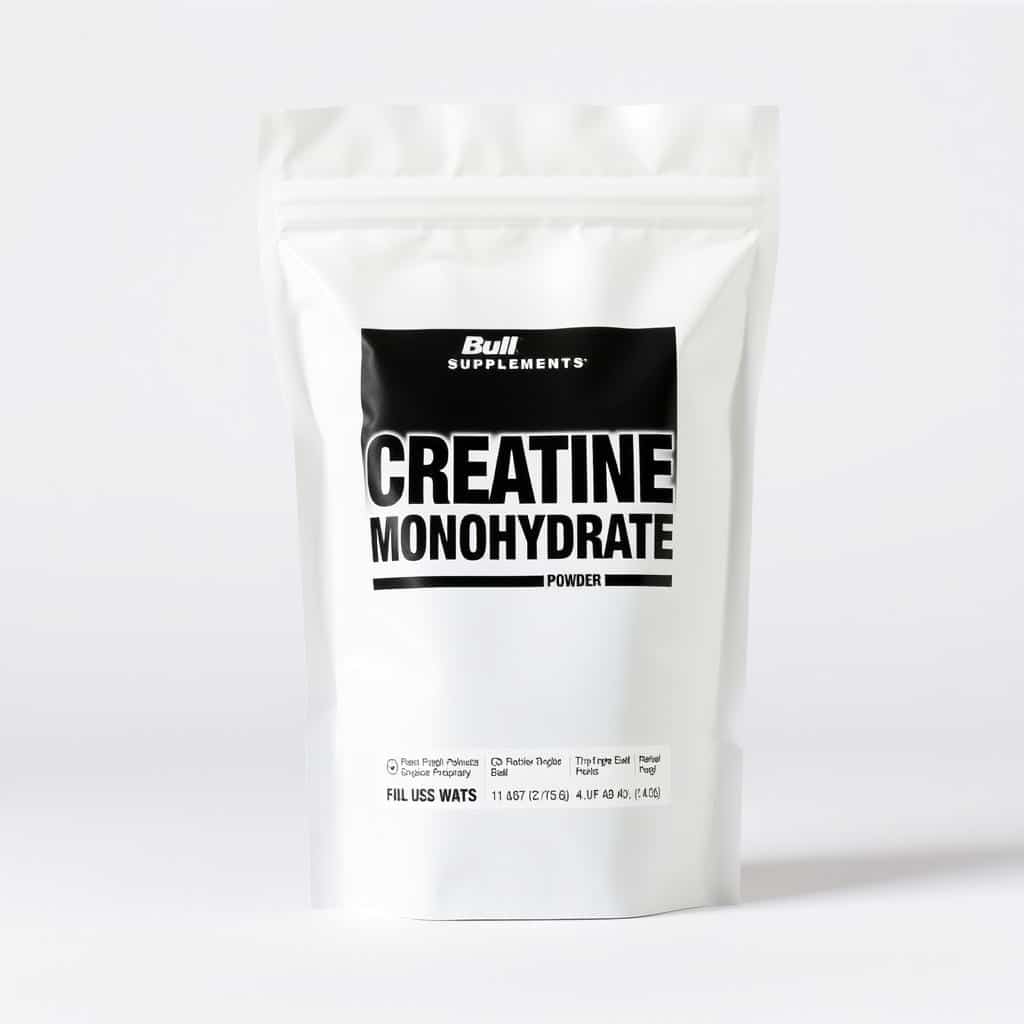
Bulk Supplements offers a no-frills, pure creatine monohydrate that’s perfect for those who want maximum value. Their straightforward approach means you get a clean product without paying for fancy packaging or marketing.
Pros
- Extremely cost-effective
- Lab-tested for purity
- No additives, fillers, or artificial ingredients
- Available in multiple size options
- Fine powder mixes reasonably well
Cons
- Basic packaging may tear more easily
- Not micronized, so may be slightly less mixable
- No measuring scoop included in some packages
Top Creatine (Capsules) HCL Products for 2025
1. Kaged Creatine HCl Capsules
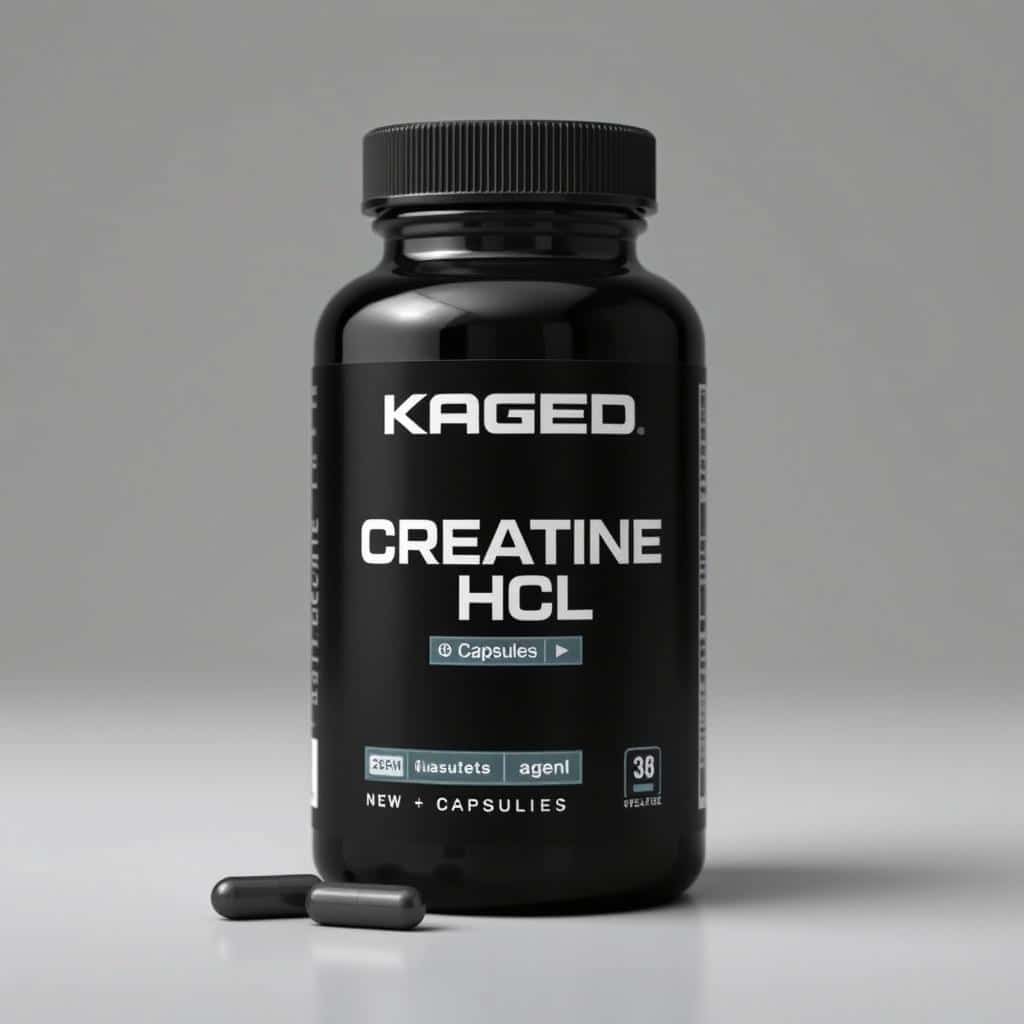
Kaged’s Creatine HCl Capsules offer a convenient, easy-to-take alternative to powder supplements. These capsules contain patented creatine hydrochloride that’s designed for better absorption and reduced stomach discomfort.
Pros
- Convenient capsule form – no mixing required
- Patented creatine HCl formula
- Less likely to cause bloating or stomach issues
- Perfect for travel and on-the-go use
- No taste concerns
Cons
- More expensive per serving than monohydrate
- Need to take multiple capsules per serving
- Some users may prefer not taking additional pills
2. CON-CRET Creatine HCl Capsules
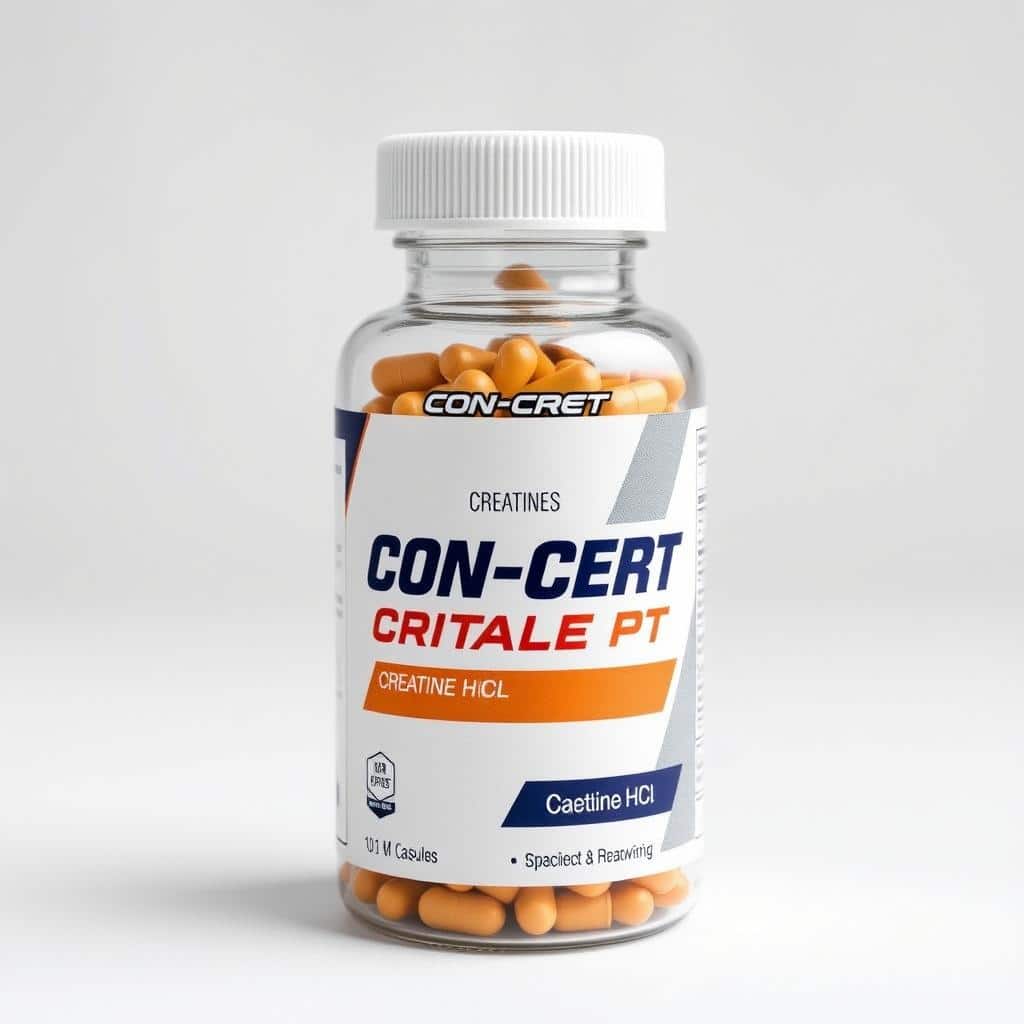
CON-CRET was one of the pioneers of creatine HCl supplements, and their capsules remain a popular choice in 2025. Their patented formula is designed to deliver concentrated creatine that’s easier on the stomach while requiring smaller doses.
Pros
- Original patented creatine HCl formula
- Micro-dosing approach (fewer capsules needed)
- No loading phase required
- Reduced risk of water retention
- Established brand with good reputation
Cons
- Premium price point
- Some users report the capsules are large
- Limited scientific studies on this specific brand
Which Creatine Should YOU Choose?
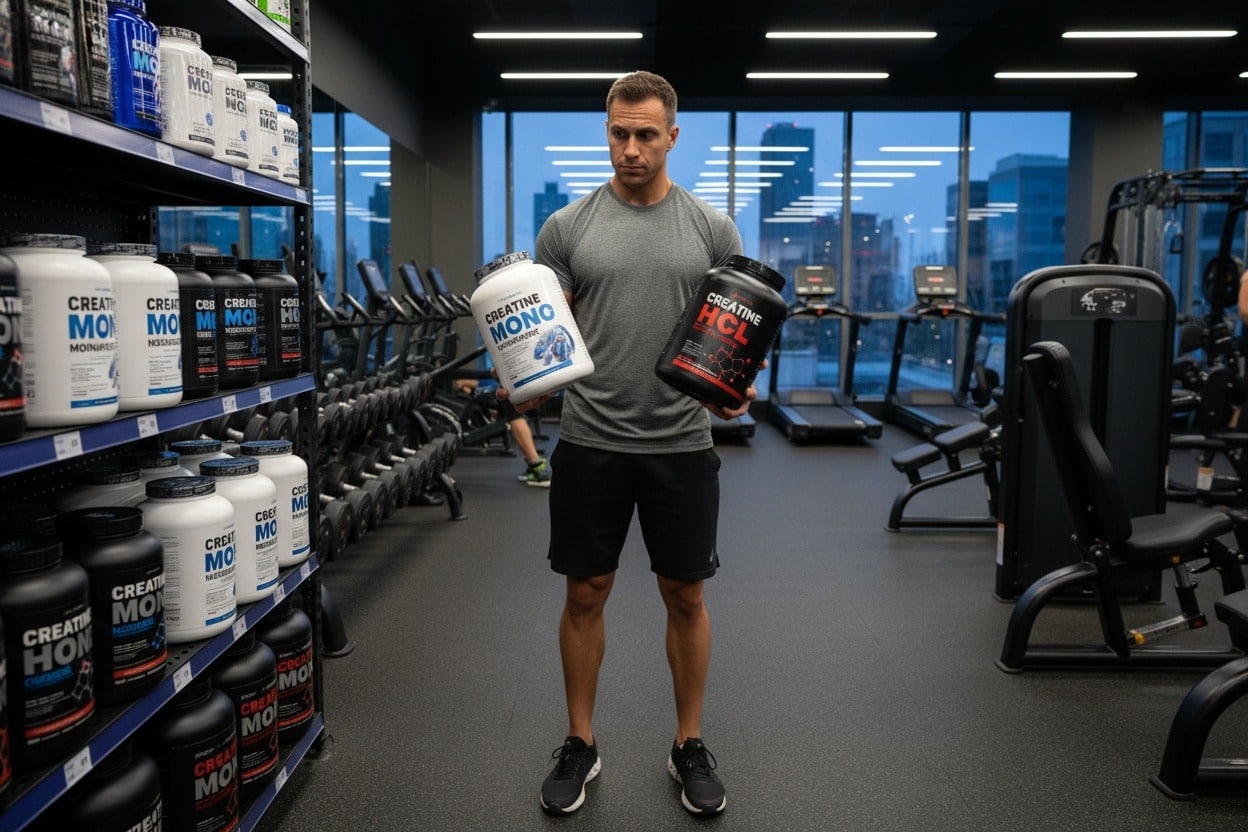
Best for Beginners
If you’re new to creatine supplementation, creatine monohydrate is the recommended starting point. Specifically, the Optimum Nutrition Micronized Creatine offers the perfect balance of quality, mixability, and value. The extensive research backing monohydrate means you can be confident in its safety and effectiveness, while the micronized formula helps address some of the mixability concerns that newcomers might have.
Best for Sensitive Stomachs
If you’ve tried monohydrate and experienced digestive discomfort or bloating, creatine HCL is worth trying. The Kaged Creatine HCl Capsules are particularly convenient since they eliminate any taste or mixing issues entirely. Many users with sensitive stomachs report fewer digestive issues with HCL compared to monohydrate.
Best for Budget
If cost is your primary concern, creatine monohydrate is the clear winner. The Bulk Supplements Creatine Monohydrate Powder offers exceptional value, often costing less than half the price per serving compared to HCL options. This no-frills approach delivers the same core benefits at a fraction of the cost.
Pro Tip: If you’re unsure which type to try, start with monohydrate. If you experience no digestive issues, there’s little reason to pay more for HCL. However, if you do experience bloating or discomfort, switching to HCL might be worth the extra cost.
How to Take Creatine for Best Results
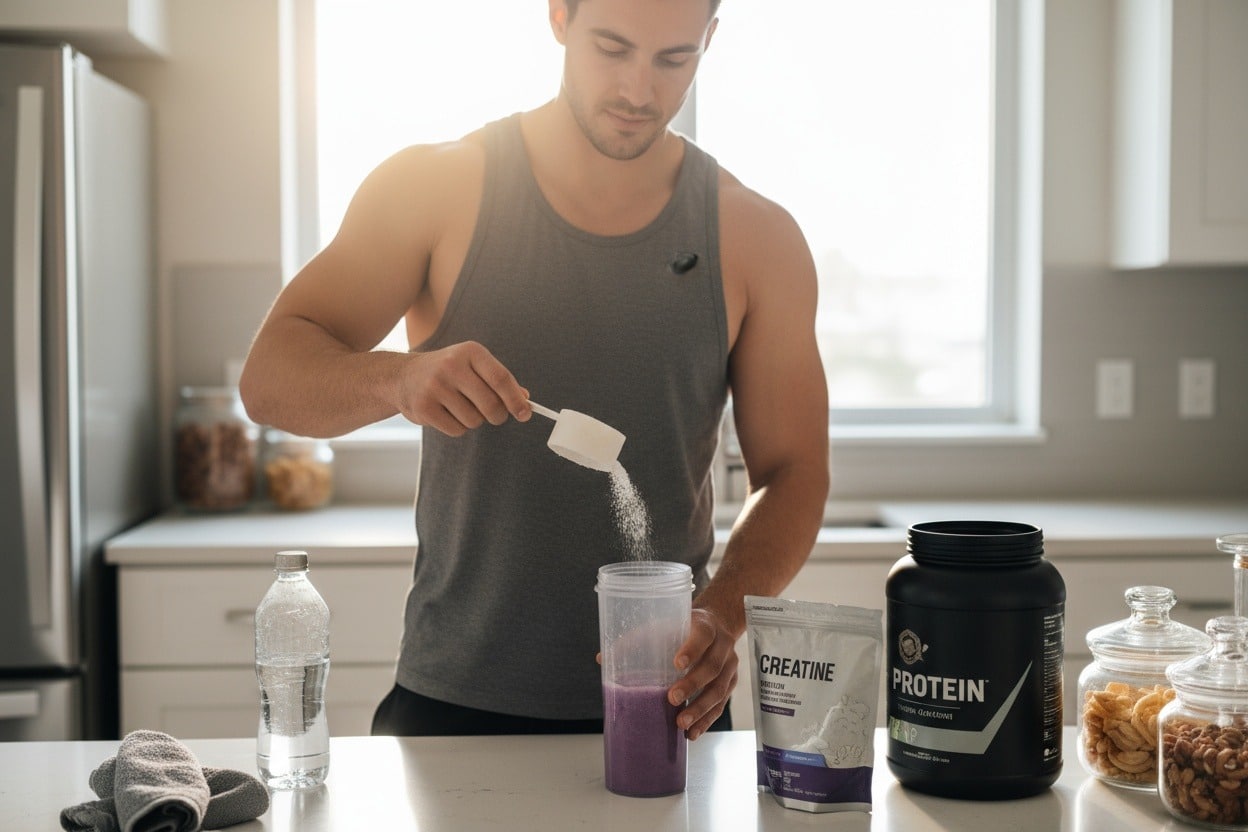
Creatine Monohydrate Protocol
Loading Phase (Optional)
Take 20g daily for 5-7 days, divided into 4 doses of 5g each. This rapidly saturates your muscles with creatine.
Maintenance Phase
Take 3-5g daily to maintain elevated creatine levels. This can be taken at any time of day, though many prefer post-workout.
Simplified Approach
Skip the loading phase and simply take 3-5g daily. This takes longer to fully saturate your muscles (about 3-4 weeks) but is equally effective long-term and may cause fewer side effects.
Cycling
Research shows no need to cycle creatine. It’s safe for long-term use, and cycling off means losing its benefits.
Creatine HCL Protocol
Standard Dosing
Take 1.5-2g daily. No loading phase is necessary due to the higher absorption rate.
Timing
Can be taken any time of day, though many prefer around workout time (either pre or post-workout).
With Food
While not required, taking creatine HCL with food may further reduce any potential stomach discomfort.
Hydration
Ensure adequate hydration when taking any form of creatine to maximize benefits and minimize side effects.
Important: Consistency is key with creatine supplementation. Daily intake is more important than specific timing. Choose a time that’s easy to remember to ensure you don’t miss doses.
Frequently Asked Questions
Is creatine HCL better than monohydrate?
Not necessarily better, just different. Creatine HCL may be more suitable for those who experience digestive issues with monohydrate or prefer smaller doses. However, creatine monohydrate has more research backing its effectiveness and is more cost-effective. Both forms can effectively increase muscle creatine stores and enhance performance.
Does creatine HCL cause less water retention than monohydrate?
Some users report less water retention with creatine HCL compared to monohydrate. This is likely due to the smaller doses and potentially better absorption. However, it’s important to note that some water retention in muscles is actually beneficial for performance and is part of how creatine works. The initial weight gain from starting creatine monohydrate is primarily water being pulled into muscle cells, which creates an environment conducive to growth.
Do I need to cycle creatine?
No, cycling creatine is unnecessary according to current research. Studies have shown that long-term creatine use is safe for healthy individuals. When you stop taking creatine, your muscle creatine levels will gradually return to baseline over several weeks, and you’ll lose the performance benefits. For continued results, consistent daily supplementation is recommended.
When is the best time to take creatine?
Research shows that consistency matters more than timing. While some studies suggest slight benefits to taking creatine close to your workout (either before or after), the differences are minimal compared to the importance of taking it daily. Choose a time that’s easy to remember to ensure consistent intake. Many people find it convenient to add creatine to their post-workout shake or morning routine.
Is creatine safe for women?
Yes, creatine is equally safe and effective for women as it is for men. Women may experience the same performance benefits, including increased strength, power, and muscle endurance. The dosing recommendations are typically the same regardless of gender, though smaller individuals may opt for the lower end of the dosage range (3g for monohydrate or 1.5g for HCL).
Can I mix creatine with protein powder?
Yes, creatine mixes well with protein shakes and does not negatively interact with protein powder. This is actually a convenient way to ensure you’re getting both supplements regularly. For creatine monohydrate, the protein shake can help mask any potential grittiness. For creatine HCL, mixing with protein is fine but less necessary due to its better solubility.
Final Verdict: Creatine HCL vs Monohydrate in 2025
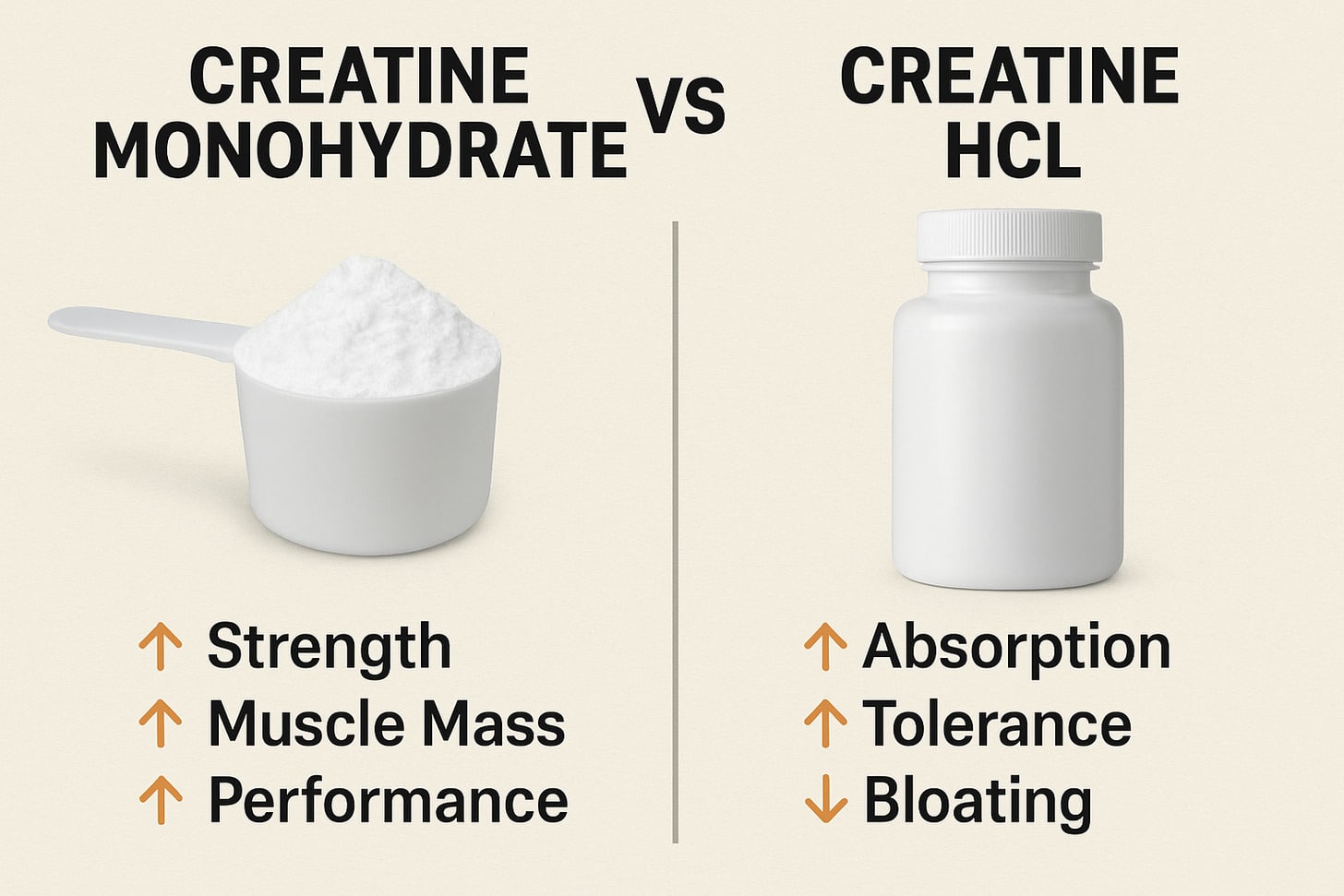
After comparing creatine HCL vs monohydrate across all important factors, here’s our recommendation for 2025:
For most people, creatine monohydrate remains the best choice due to its extensive research backing, proven effectiveness, and superior cost-efficiency. The Optimum Nutrition Micronized Creatine offers an excellent balance of quality and value.
However, if you’ve experienced digestive discomfort with monohydrate or are particularly concerned about water retention, creatine HCL is a worthwhile alternative. The Kaged Creatine HCl Capsules provide a convenient, stomach-friendly option.
Remember that consistency is the most important factor with creatine supplementation. Whichever form you choose, taking it regularly will yield the best results for your strength, power, and muscle growth goals in 2025 and beyond.
Important: While creatine is one of the safest and most well-researched supplements available, always consult with a healthcare professional before starting any new supplement regimen, especially if you have pre-existing health conditions.